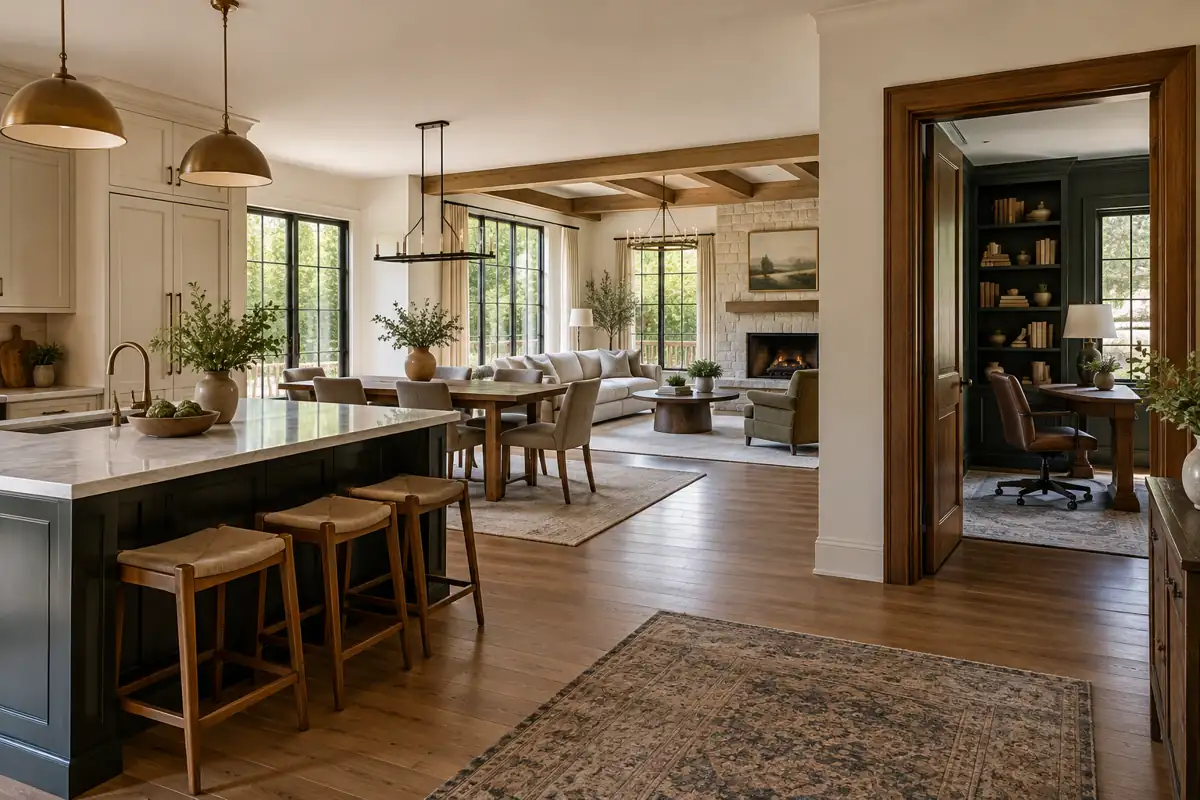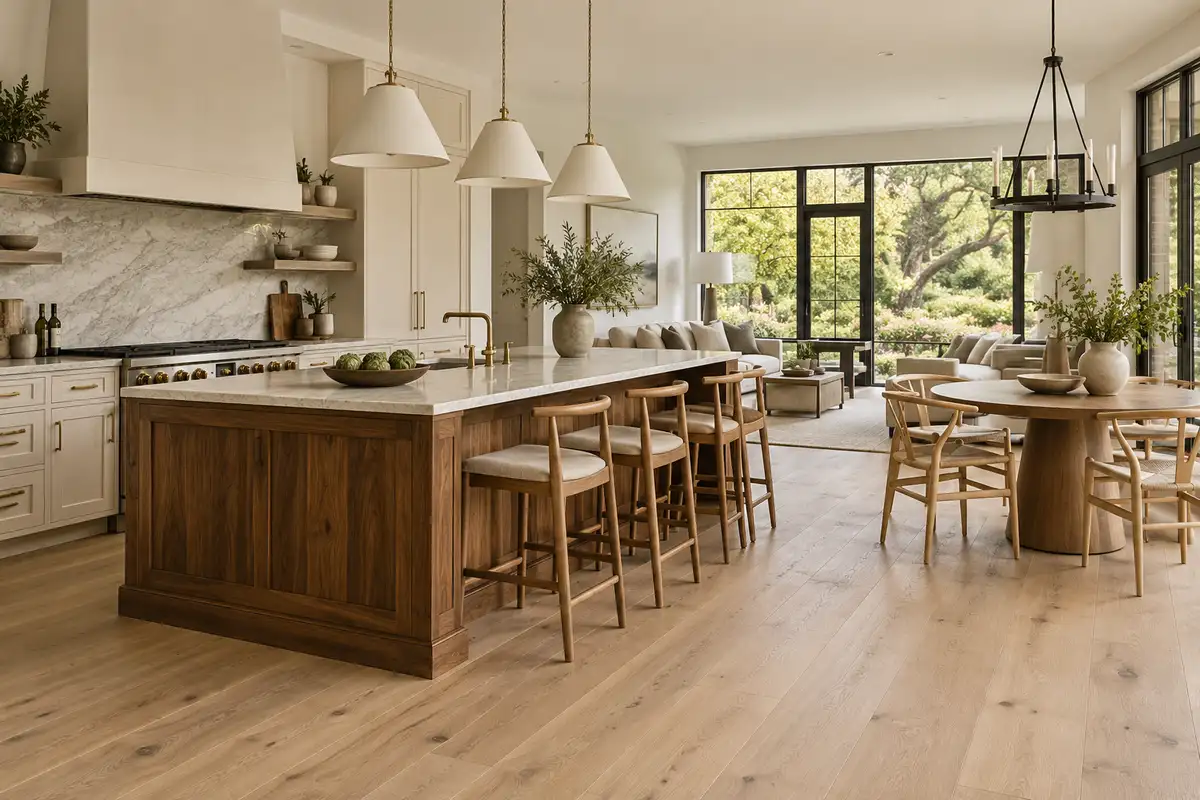
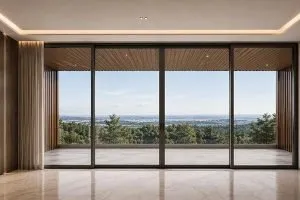
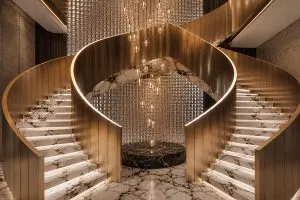
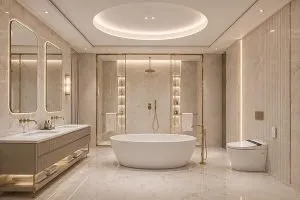
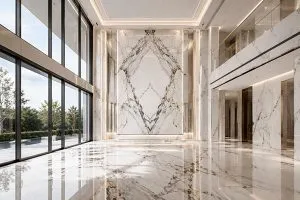
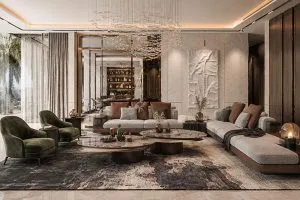
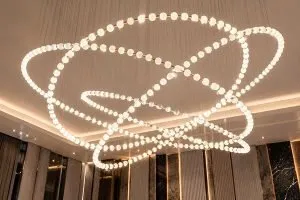
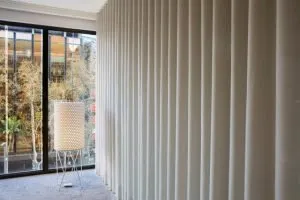
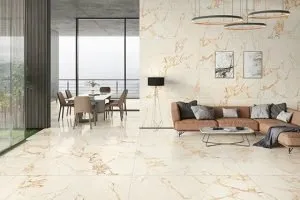
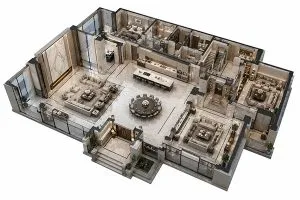
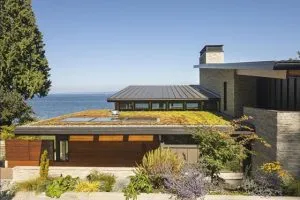
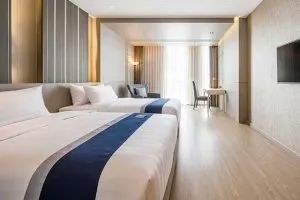

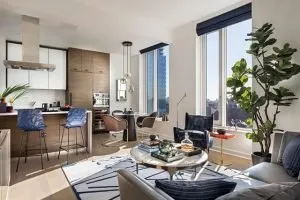




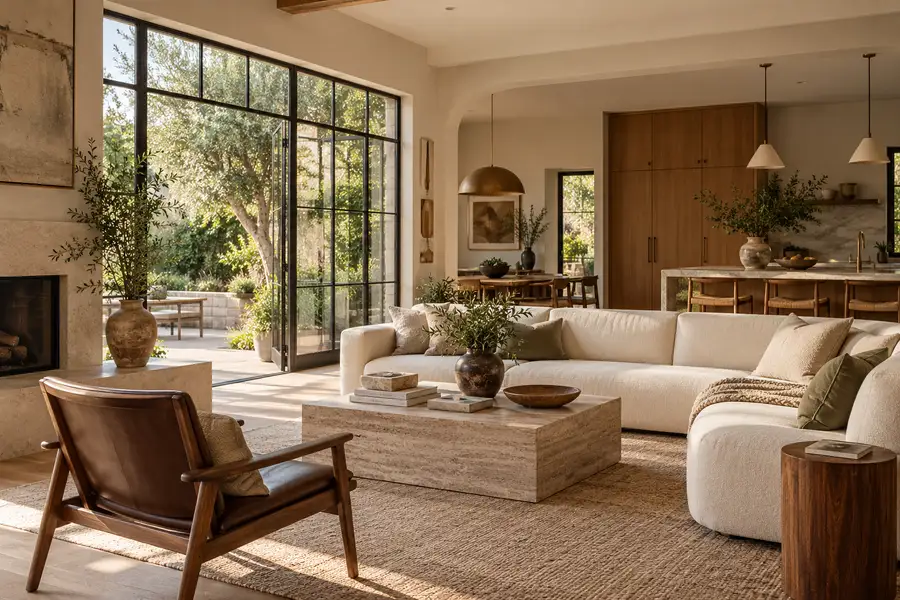
Your saved rooms all seem to have warm walls, wood furniture and comfortable neutral sofas. Yet one is labeled Organic Modern, another Japandi, and the third Transitional. How can they look so similar and still mean different things?
The useful distinction is how each style combines materials, shapes and everyday objects. We recommend choosing a direction that suits your home and habits before choosing finishes.
We explains the differences, then connects them to three lasting decisions: cabinet doors, window frames and stair treads. Style names start conversations, leaving room for individual preferences.
Table of Contents
Organic Modern, Japandi and Transitional at a Glance
All three can feel warm and welcoming. Their priorities differ, however, and a single beige sofa or black window frame cannot identify a whole room.
| Design question | Organic Modern | Japandi | Transitional |
|---|---|---|---|
| What shapes the room? | Modern lines softened by nature | Japanese restraint and Scandinavian practicality | Traditional character with contemporary updates |
| What draws your eye? | Wood, stone and sculptural forms | Careful proportions and open space | Classic details beside simpler furnishings |
| How is it furnished? | Layered textures and selected statement pieces | Purposeful furniture and restrained displays | A considered mix of old and new |
| Where should you start? | Material palette | Layout and storage | Features worth keeping |
These are common tendencies, not rigid categories. Designer Joshua Jones also emphasizes the overlap between Organic Modern and Japandi. Many successful homes borrow from both.
Organic Modern vs Japandi: More Than Wood and Beige
Organic Modern begins with a modern setting and adds warmth through natural-looking surfaces, tactile fabrics and softer shapes. Picture an uncomplicated living room with a curved sofa, an oval stone table and oak cabinetry. The arrangement stays clear, while the materials provide variety.
Japandi combines Japanese and Scandinavian influences with a stronger emphasis on useful objects, craftsmanship and breathing room. As British Vogue’s Japandi guide explains, function and a thoughtful relationship with materials are central to the style.
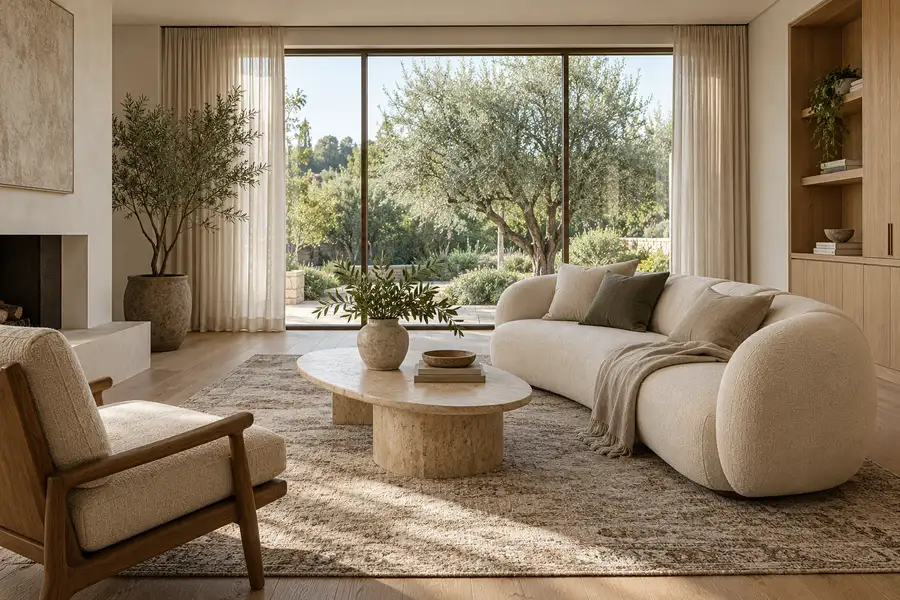
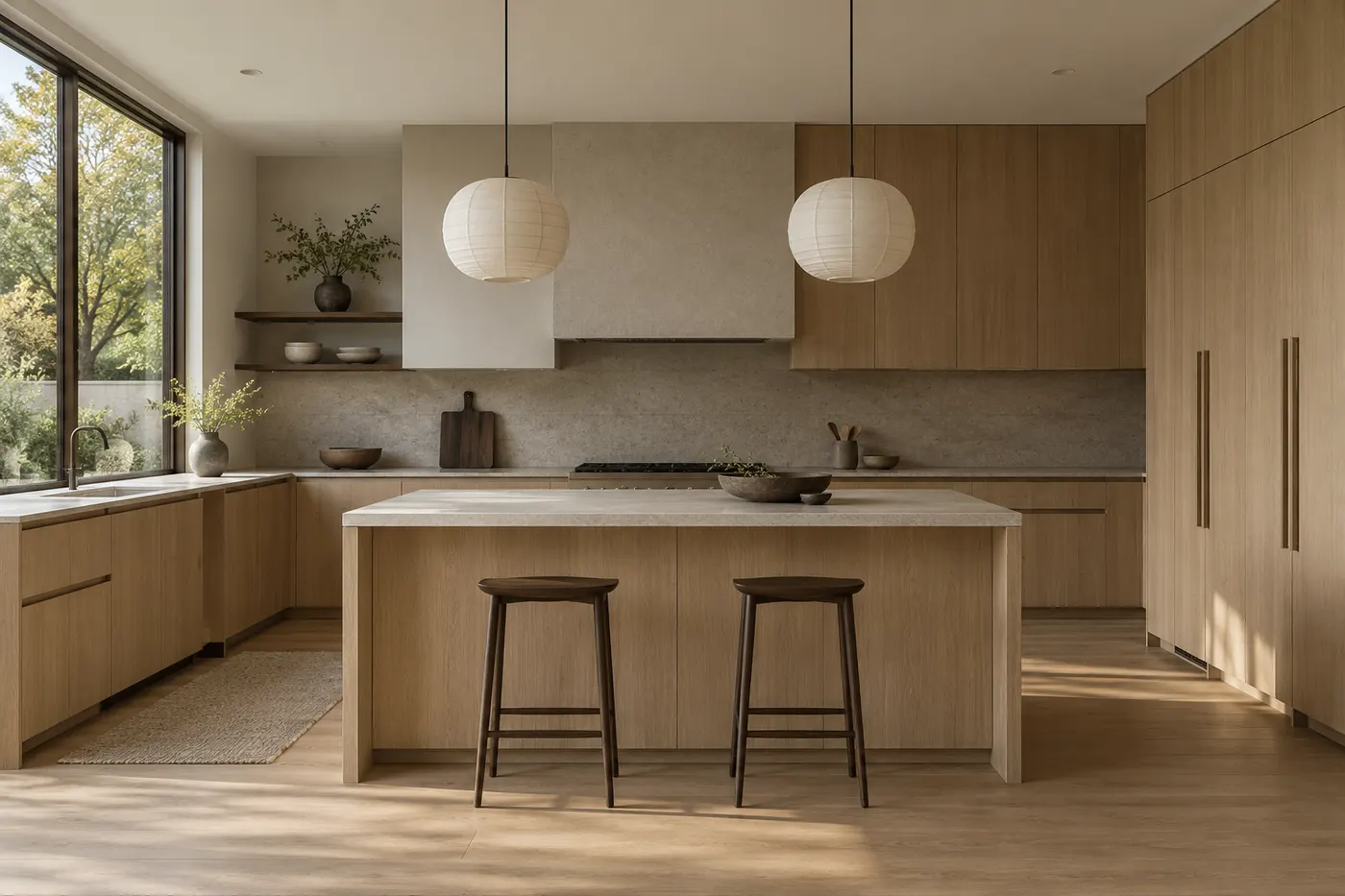
Imagine furnishing the same room twice. For Organic Modern, we might introduce a rounded chair, a textured rug and a stone centerpiece. For Japandi, we might choose a lighter-looking wood chair, a simple table and closed storage that keeps everyday belongings nearby. Leaving some surfaces empty becomes part of the composition.
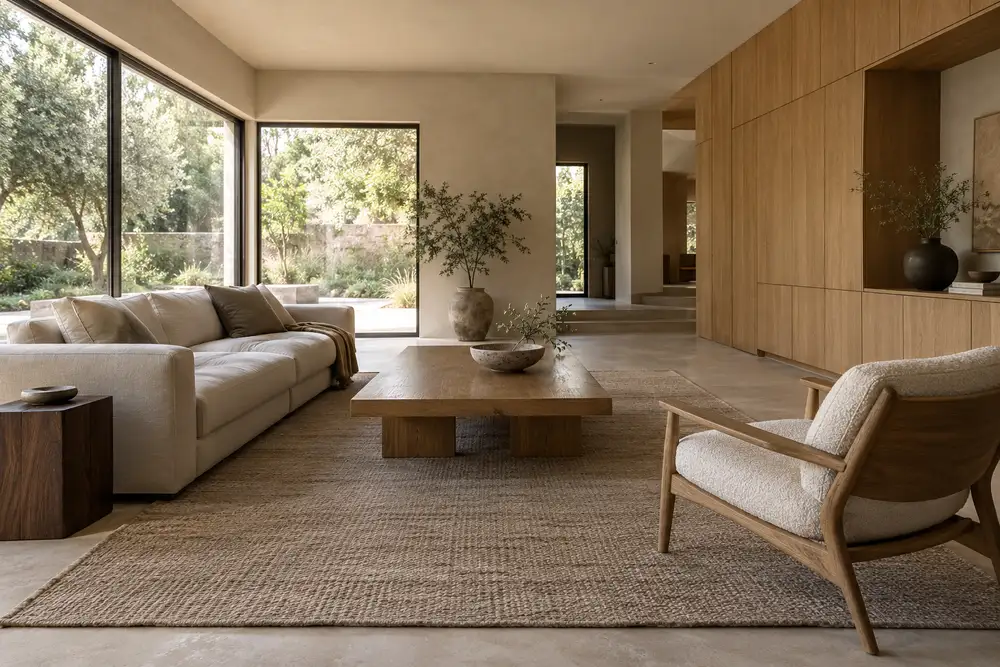
Neither approach requires an all-beige palette. Dark timber and muted color can work in both. Japandi can include curves, while Organic Modern can remain quite restrained. Low-profile furniture is common in Japandi, but a comfortable seat height matters more than copying a photograph.
Wabi-sabi, often discussed alongside Japandi, values imperfection and the passage of time. It is not an instruction to make every wall rough or every room bare. If you enjoy layered textures, explore Organic Modern. If fewer visible objects help you relax, start with Japandi and plan the storage to support it.
Where Transitional Fits: Classic Details, Fresh Choices
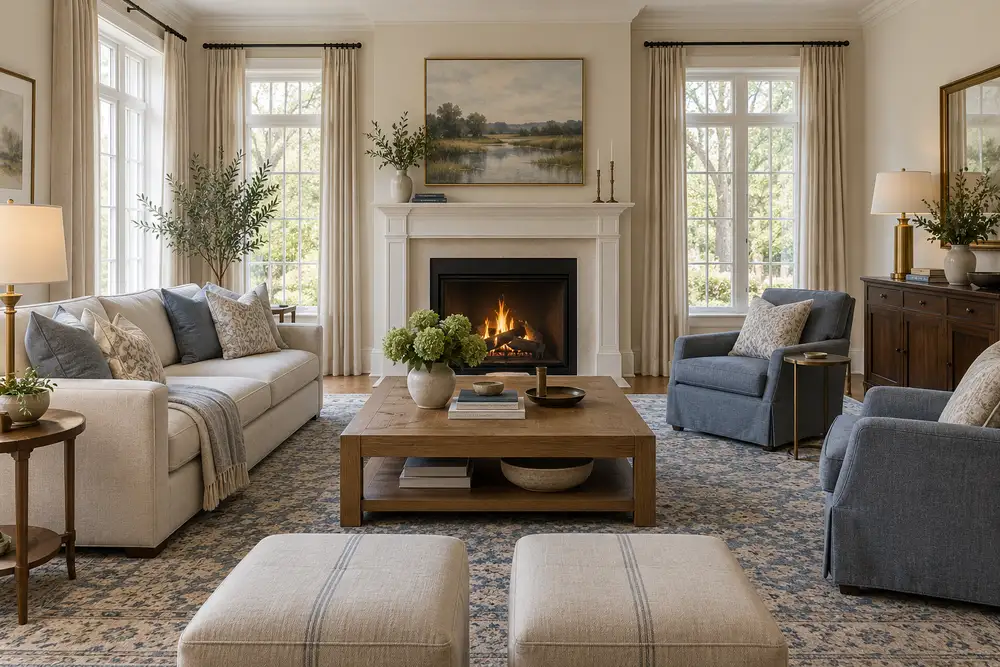
Transitional design brings traditional and contemporary elements into the same room. It can be a useful direction when you like your home’s existing character but want a fresher interior.
Suppose you are keeping a paneled fireplace, simple crown molding and a family dining table. We could pair those features with streamlined seating, updated lighting and quieter window treatments. The old pieces still belong, and the new ones make daily life comfortable.
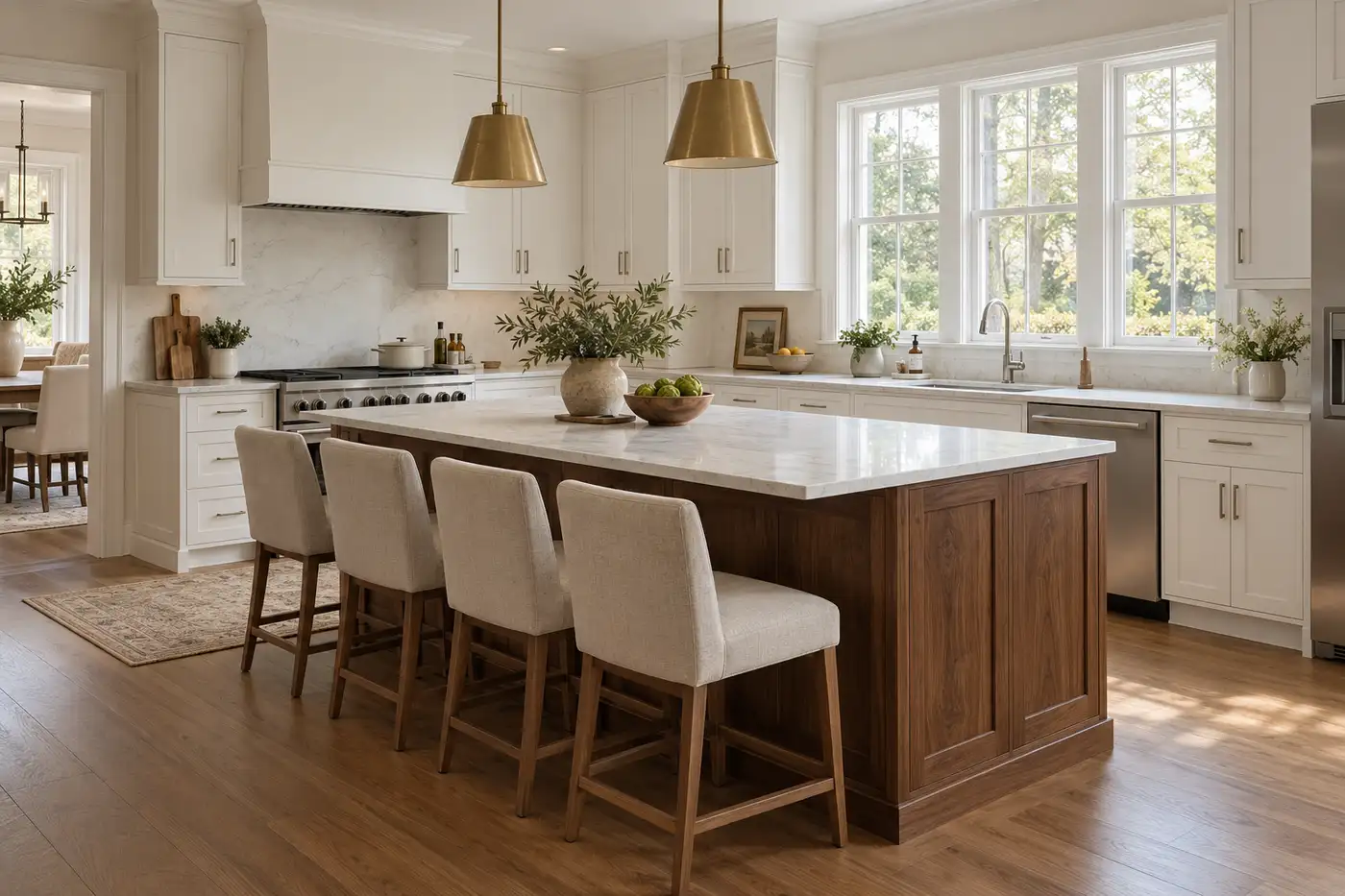
In a kitchen, Shaker doors with simple hardware offer a familiar starting point. A flat center panel and uncomplicated frame add definition without elaborate ornament. Shaker is one option, however, rather than a requirement for every Transitional kitchen.
The 2026 U.S. Houzz Kitchen Trends Study found that 25% of respondents changing their kitchen style chose Transitional. That supports its popularity within this renovation group; it does not establish a universal preference or guarantee resale value.
For your own project, the stronger question is whether classic proportions and modern conveniences feel right together.
Choose Cabinet Doors, Window Colors and Stair Treads
Fixed finishes connect rooms long after cushions and artwork change. We suggest reviewing them together. The combinations below are design starting points, not rules or product specifications.
| Element | Organic Modern | Japandi | Transitional |
|---|---|---|---|
| Cabinet doors | Flat fronts or slim frames; visible wood grain | Simple flat fronts; continuous storage lines | Shaker or restrained framed doors |
| Cabinet finishes | Natural oak, walnut or warm white | Pale or dark timber with muted colors | Painted neutrals with selected wood accents |
| Window colors | Bronze, soft black or warm neutrals | Wood tones, muted dark frames or quiet wall-matching colors | White, bronze or black coordinated with trim |
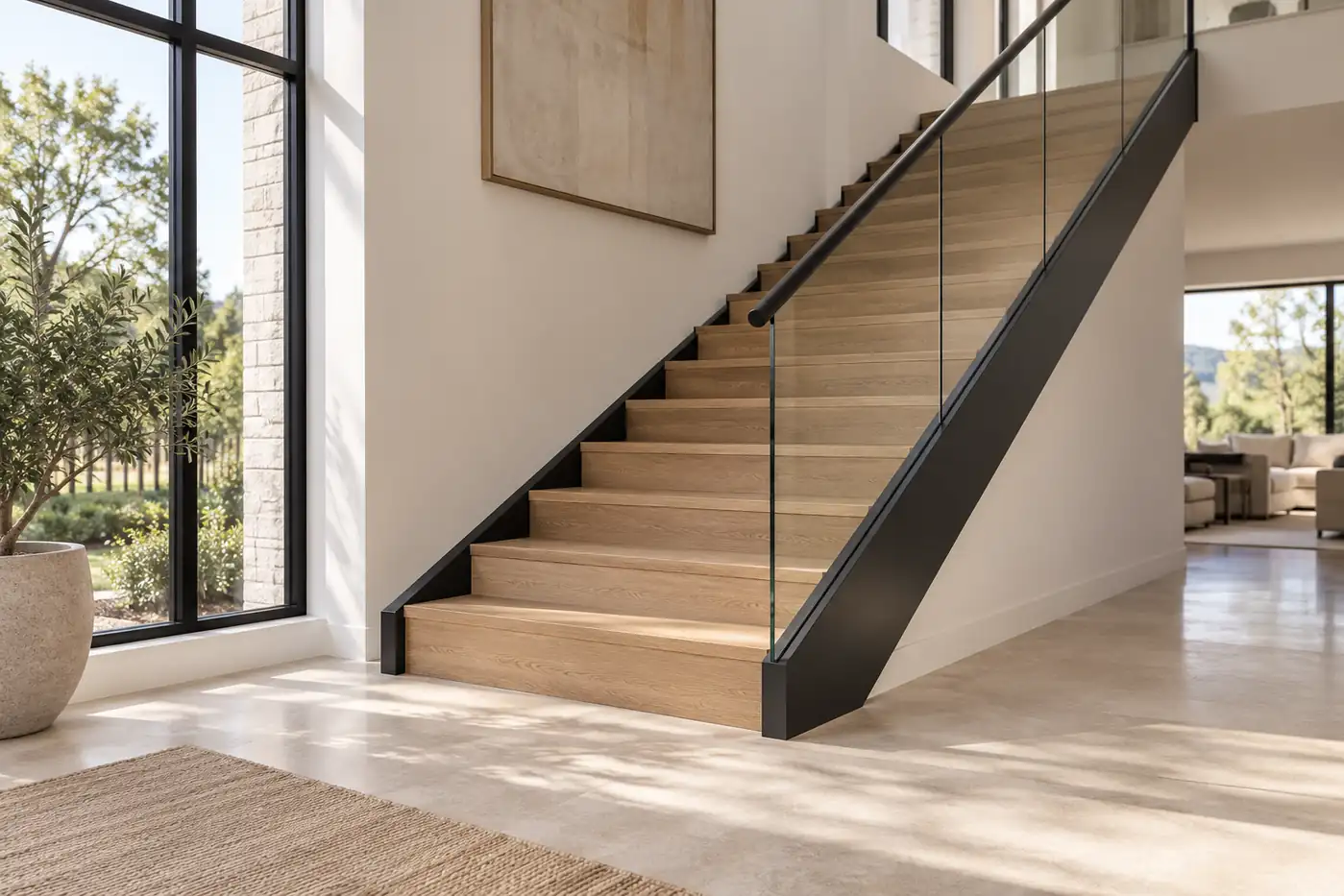
| Stair treads | Natural oak; carefully selected stone where suitable | Subtle-grain wood with simple edge details | Natural or stained oak paired with classic proportions |
Cabinet Doors: Look Beyond Color
A photograph marked “white oak” does not specify a cabinet. We also need to confirm the door profile, surface material, grain direction, stain, sheen and hardware. Flat doors can suit both Organic Modern and Japandi; the surrounding layout and details change the impression.
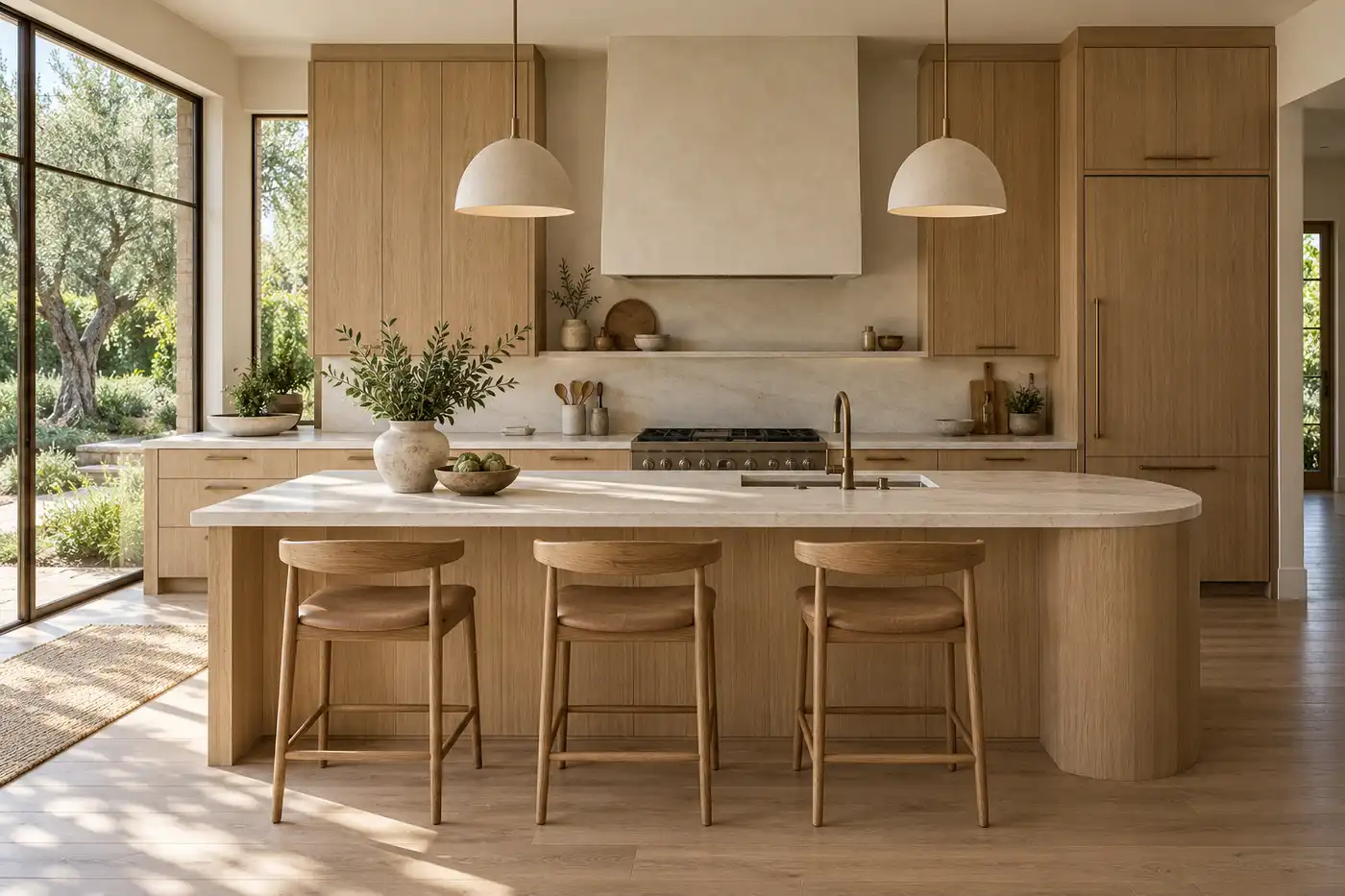
For Japandi, prioritize useful drawers and concealed storage before decorative shelving. For Transitional, review the frame width and hardware together. A simple Shaker front can feel lighter with slender pulls and an uncluttered backsplash.
Window Frames: Connect Inside and Outside
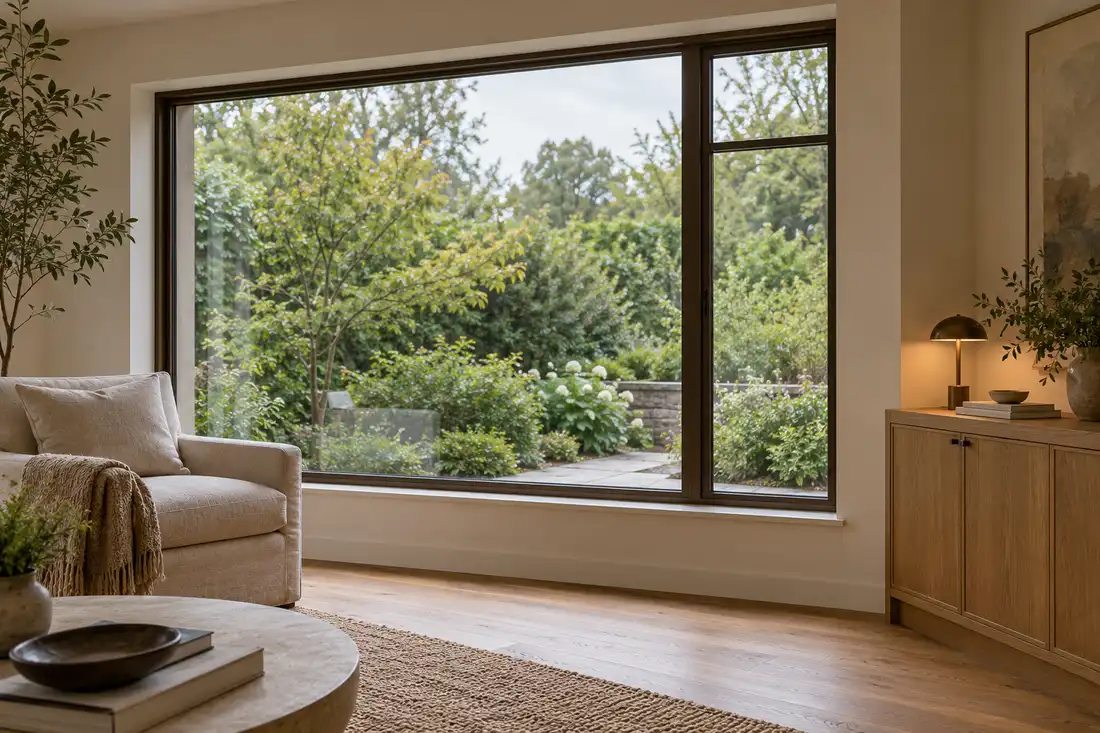
Choose the interior frame color alongside wall paint, cabinetry and flooring, then check the exterior elevation. Black frames can work in all three styles. Bronze may soften contrast with warm timber, while white can sit comfortably beside painted trim. Frame proportions and divided-light patterns matter too.
Where available, different interior and exterior finishes can help reconcile the two views. Confirm the actual product options and finish samples; color selection alone says nothing about a window’s performance.
Stair Treads: Consider the Complete Stair
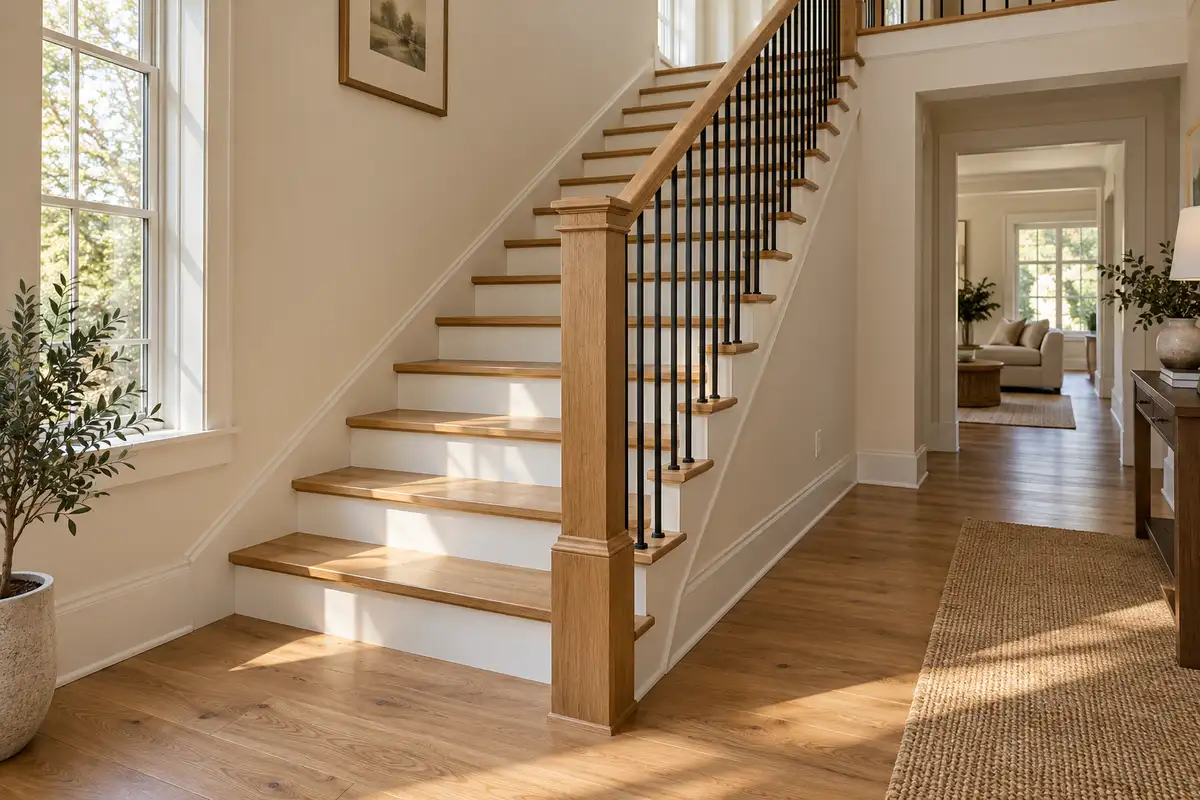
Oak can work across all three directions. The stain, tread edge, risers, railing and handrail shape the final result. A wood tread with a white riser can sit naturally in a Transitional hallway; a simpler timber composition may suit Japandi.
If you prefer stone, review its finish, maintenance and suitability for the project. Keep practical stair requirements separate from styling decisions. We recommend comparing physical samples of the treads, floor and cabinet finish under the same lighting before approving them.
Which Style Fits Your Home and Daily Routine?
Begin with the parts of your house you plan to retain. Original trim, an existing stair or a favorite table should be considered early. A room does not need to be stripped back before it can feel cohesive.
- Choose Organic Modern as a starting point if you enjoy modern shapes with generous material texture.
- Explore Japandi if visual calm appeals to you and you are ready to organize storage around everyday habits.
- Consider Transitional if you want to preserve classic features while updating furniture, lighting or cabinetry.
Then picture an ordinary weekday. Where do school bags land? Which appliances stay on the counter? Do you need space for books, toys or hobbies? A restrained room still needs somewhere for real life to go.
Check comfort as well as appearance. Try the sofa depth and chair height, and leave usable walking routes. Low furniture and pale upholstery are optional choices, not entry requirements for a style.
Finally, separate your budget for permanent work from furniture and accessories. Custom curves, detailed joinery, selected veneers and stone fabrication affect cost more directly than a style label. We would rather simplify a decorative feature than compromise the storage or seating you use every day.
Can You Mix These Styles Without Losing Cohesion?
Yes. Choose a main direction for the fixed elements, then borrow selectively through furniture and accessories. A Transitional kitchen can welcome Organic Modern stools and warm timber. An Organic Modern living room can borrow Japandi’s quieter displays and organized storage.
Repeat a few connections across the house: a wood undertone, a metal finish or a simple line. Everything does not need to match exactly. Before ordering, place the samples together and remove any combination that feels accidental. Keep favorite objects that mean something to you; a style should leave space for a personal home.
Frequently Asked Questions
Is Organic Modern the same as Japandi?
No. They overlap in natural materials and calm palettes. Organic Modern often emphasizes texture and sculptural forms; Japandi gives particular attention to function, restraint and space between objects.
Can Shaker cabinets work in an Organic Modern home?
Yes. A slim, simple frame can work with natural wood, understated hardware and modern surroundings. Judge the whole composition rather than the door name.
Do black window frames suit all three styles?
They can. Consider the amount of contrast, frame proportions, surrounding trim and exterior appearance. Black is a choice, not a defining requirement.
Should cabinets, floors and stair treads match?
They should relate, but exact matching is optional. Compare undertones, grain and sheen together. Intentional contrast can be more convincing than several finishes that almost match.
Find Your Style. Bring the Materials Together.
Share your floor plan, photos of your current space and two or three interiors you love. Tell us what you want to keep. We can help you connect the layout, cabinetry, windows, staircase and furnishings into a coordinated design direction that feels comfortable and personal.