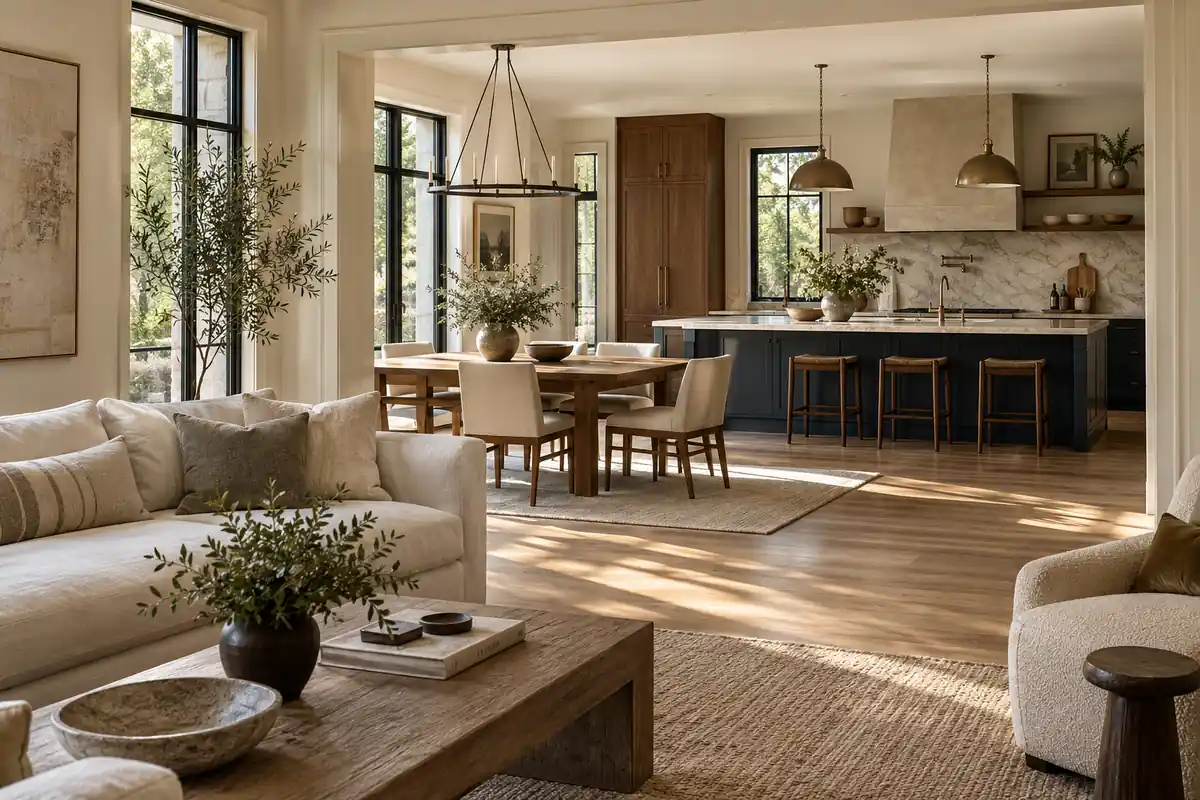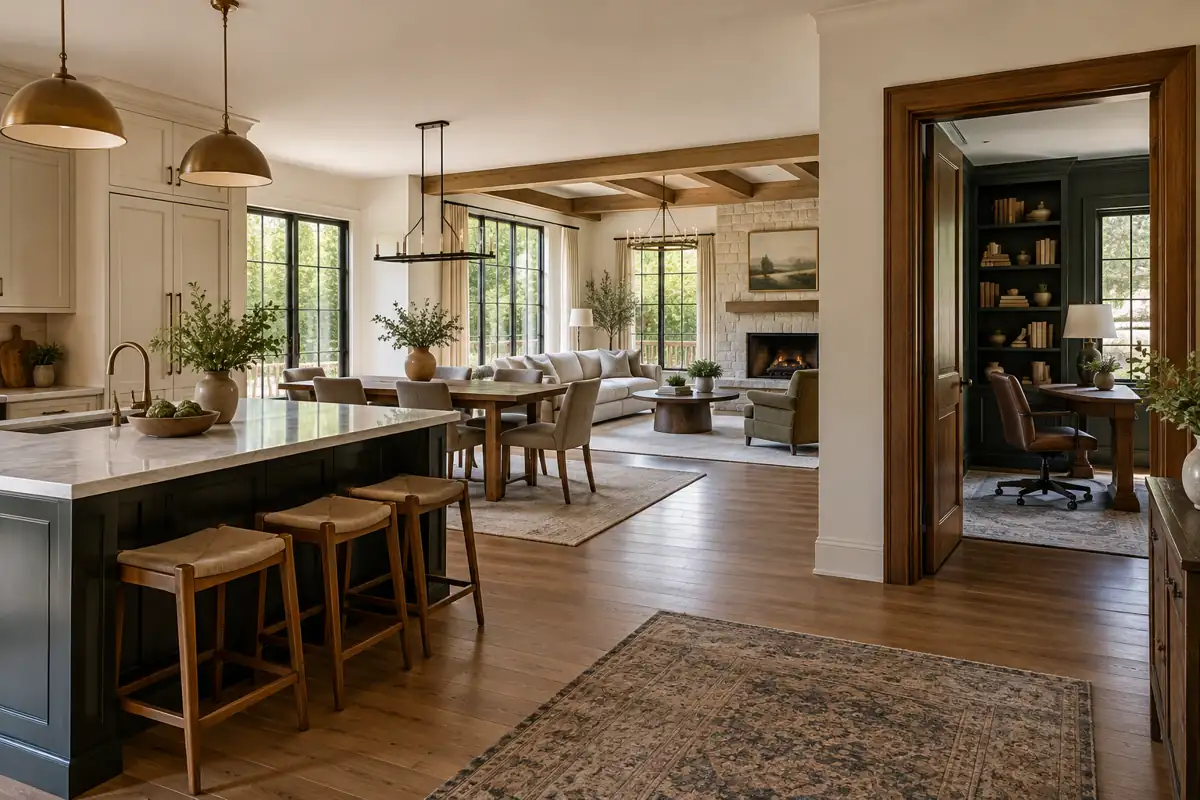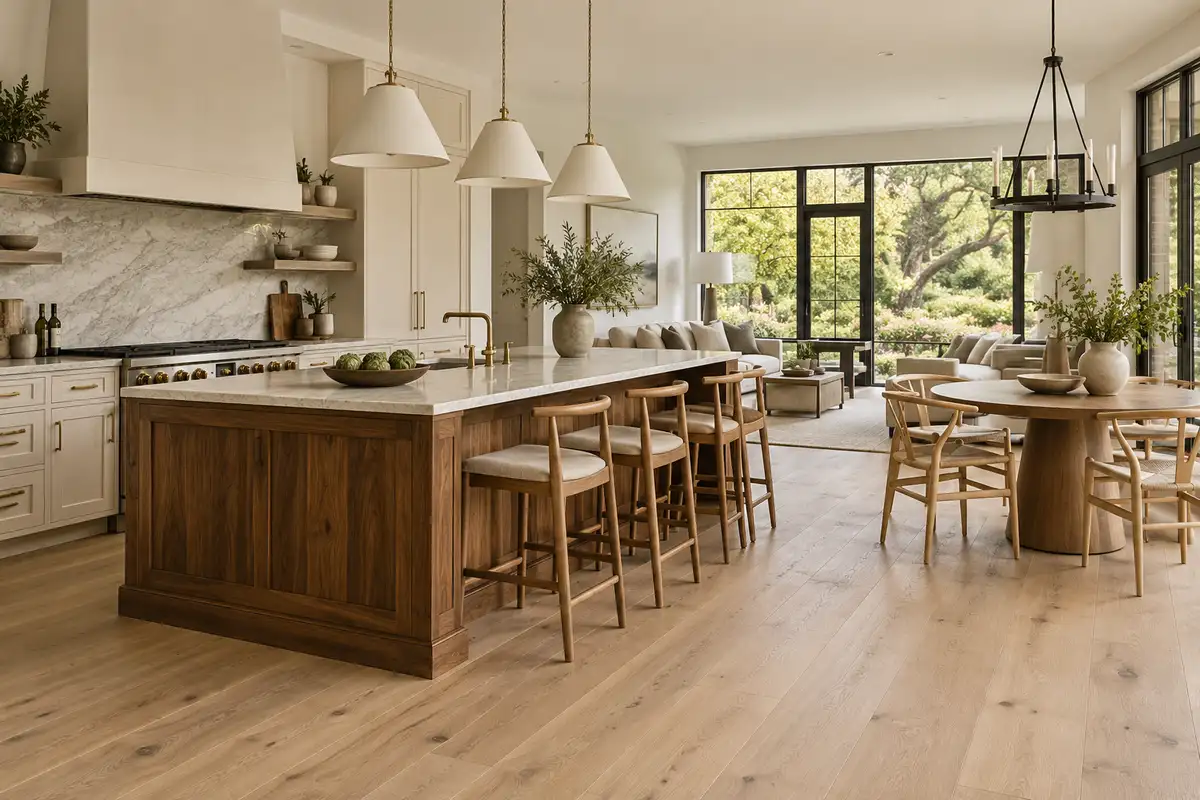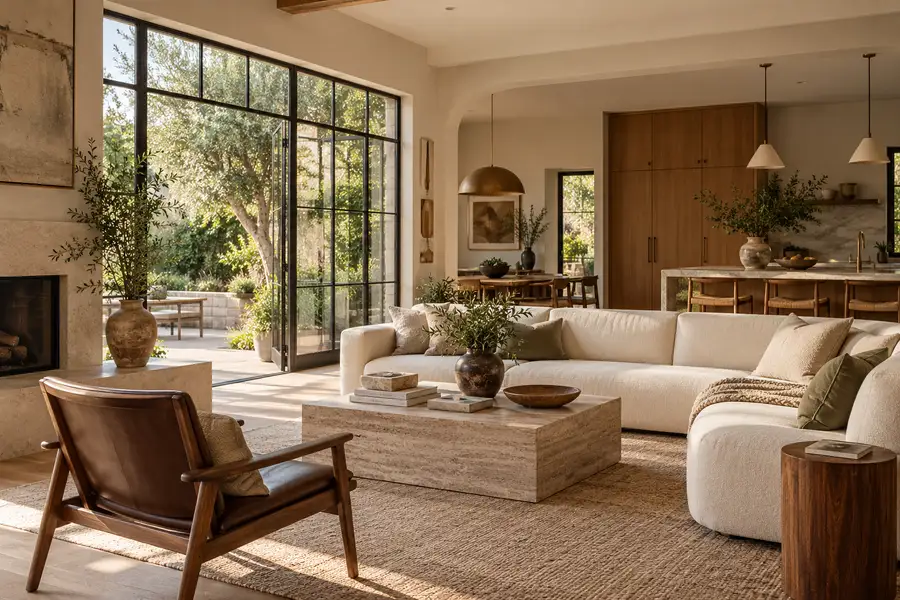
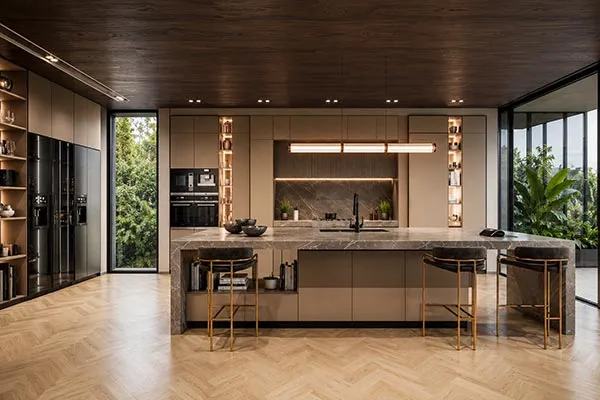





Black aluminum windows can give a new home a strong architectural identity. But the attractive frames in your rendering leave several questions unanswered: what finish are you buying, how will it weather, and what does the upgrade actually cost?
For US homeowners planning a new build, our advice is simple: choose black when it supports the whole house, then specify the finish as carefully as the glass. A color name alone tells you very little about durability.
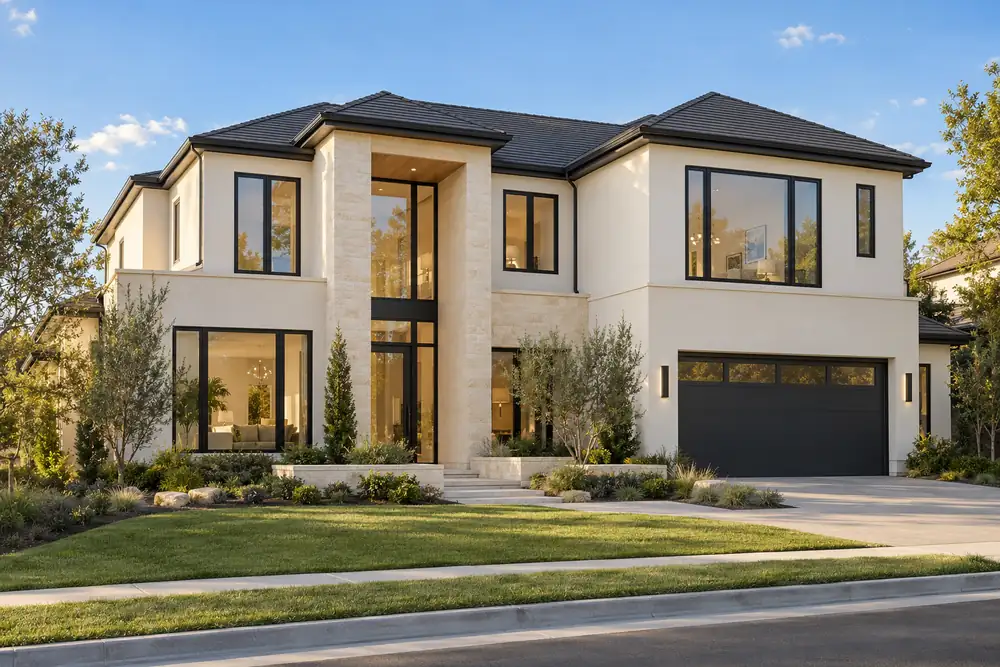
TABLE OF CONTENTS
Are Black Aluminum Windows Worth It for Your New Home?
Yes—when the appearance matters to your design and the documented finish justifies any extra cost. They are less compelling when the upgrade consumes money needed for better glazing, suitable thermal performance or proper installation.
| Your situation | Our recommendation |
|---|---|
| Black coordinates with the roof, entry and patio doors. | Keep it on the shortlist; review physical samples. |
| Black is a standard color in the selected system. | Check whether there is any color premium at all. |
| The upgrade includes a documented, more durable coating. | Evaluate the finish specification and warranty together. |
| The quote says only “premium black.” | Request the coating details before approving it. |
Treat the visual benefit as something you will enjoy living with. There is no reliable basis for promising that black frames alone will deliver a particular resale return.
Will Black Aluminum Windows Fade?
The finish matters more than the color label
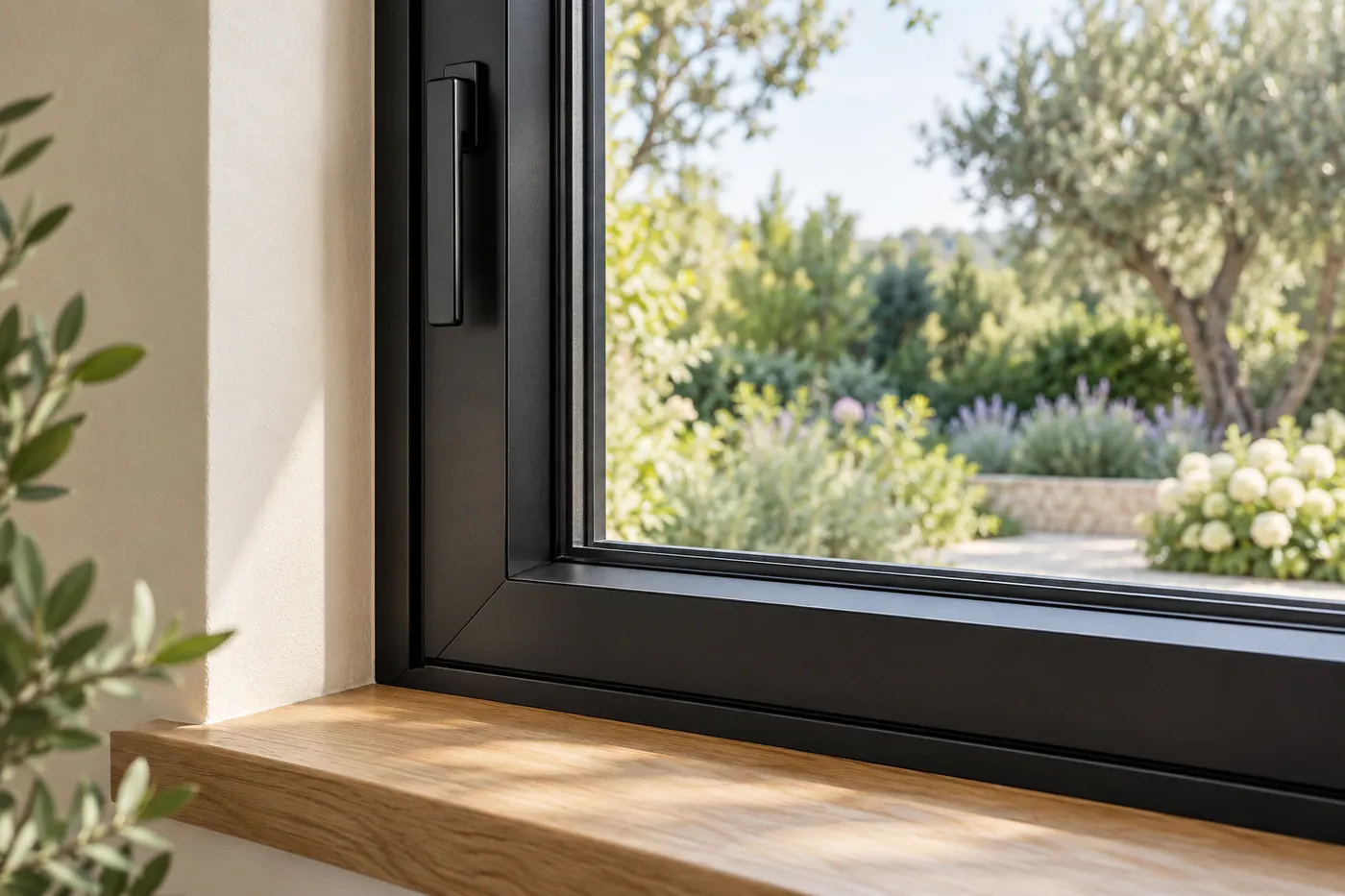
Black finishes can change with exposure. How quickly depends on the coating chemistry, application, sunlight, moisture and maintenance. “Powder coated” describes a coating process; it does not establish a durability rating.
Nor is every liquid coating inferior. PPG’s architectural coating guidance includes both liquid and powder systems designed to meet AAMA 2605 requirements. Ask about the actual product, rather than assuming powder always beats paint.
Three different problems can make a frame look lighter:
- Fading: the coating’s color changes.
- Chalking: weathering creates a powdery surface residue.
- Deposits: dust, salt or mineral marks sit on the finish.
Cleaning may remove deposits; it cannot reverse genuine fading. Follow the manufacturer’s cleaning instructions before treating an apparent color change.
Ask for evidence and a written warranty
Request the coating manufacturer, product series and applicable performance specification. For US projects, AAMA 2604 and 2605 are useful specifications to discuss with your supplier. FGIA’s standards address coating performance; they do not certify the complete window’s energy efficiency.
If QUALICOAT is cited, verify the coating system’s approval, durability class and applicator’s current license. A logo by itself is insufficient.
A weathering-test duration is not a promise of the same number of maintenance-free years on your home. Avoid blanket claims such as “no visible fading for 15 years.” Read the warranty’s permitted color change, gloss loss, exclusions and remedies.
What Does the Black Window Premium Actually Include?
Black is not automatically 10–20% more expensive than white. It may be a standard finish, while another supplier charges for a custom color, coating upgrade or separate interior and exterior colors.
Request two versions of the same window schedule: identical dimensions, operating styles, frame system, glazing, hardware and warranty. Keep shipping, installation and taxes on the same basis. Ask the supplier to itemize any finish upgrade.
For illustration, if an otherwise identical white package costs $20,000 and black costs $22,000, the color-related difference is $2,000, or 10%. This is a calculation example, not a market price estimate.
If the black quote also has larger glass panels, different profiles or better thermal performance, the entire difference cannot fairly be attributed to color.
On a tight budget, resolve required performance and installation details first. Then decide how much the black finish is worth within the remaining allowance.
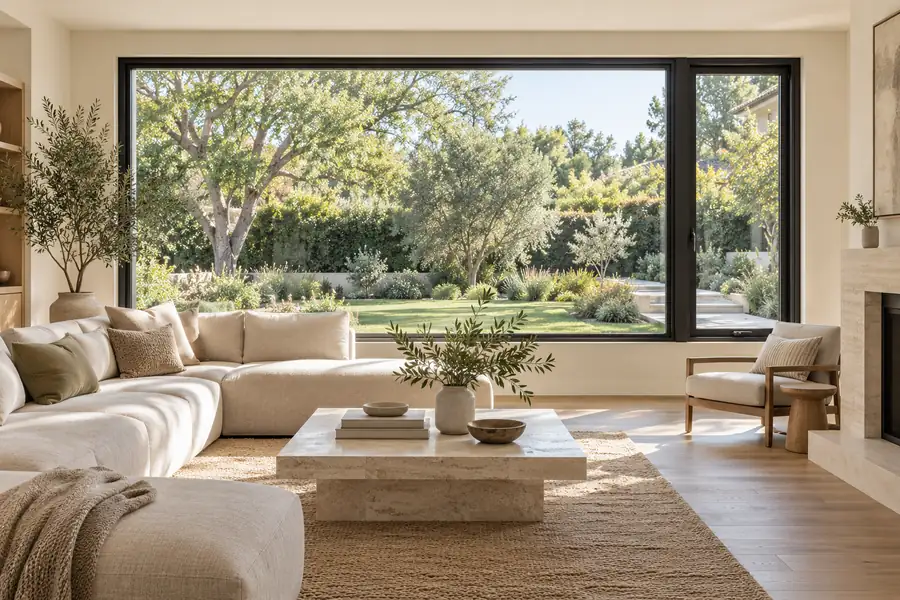
Design Reality: Will Black Windows Suit the Whole House?
Check the actual frame, not just the rendering
Black can make window openings feel crisp and deliberate, but it does not make a bulky frame physically slimmer. Ask for frame and sash sightlines—the visible widths—and review how fixed panes, operable windows and meeting rails differ.
Look at the elevations as a complete composition. Too many dark grids can compete with stonework or siding. Consistent proportions often matter more than adding another decorative division.
Choose the inside and outside separately
All-black frames can complement warm wood and pale walls. If you prefer a softer bedroom or kitchen interior, ask whether the system offers black outside and white inside. Confirm availability and cost before settling the design.
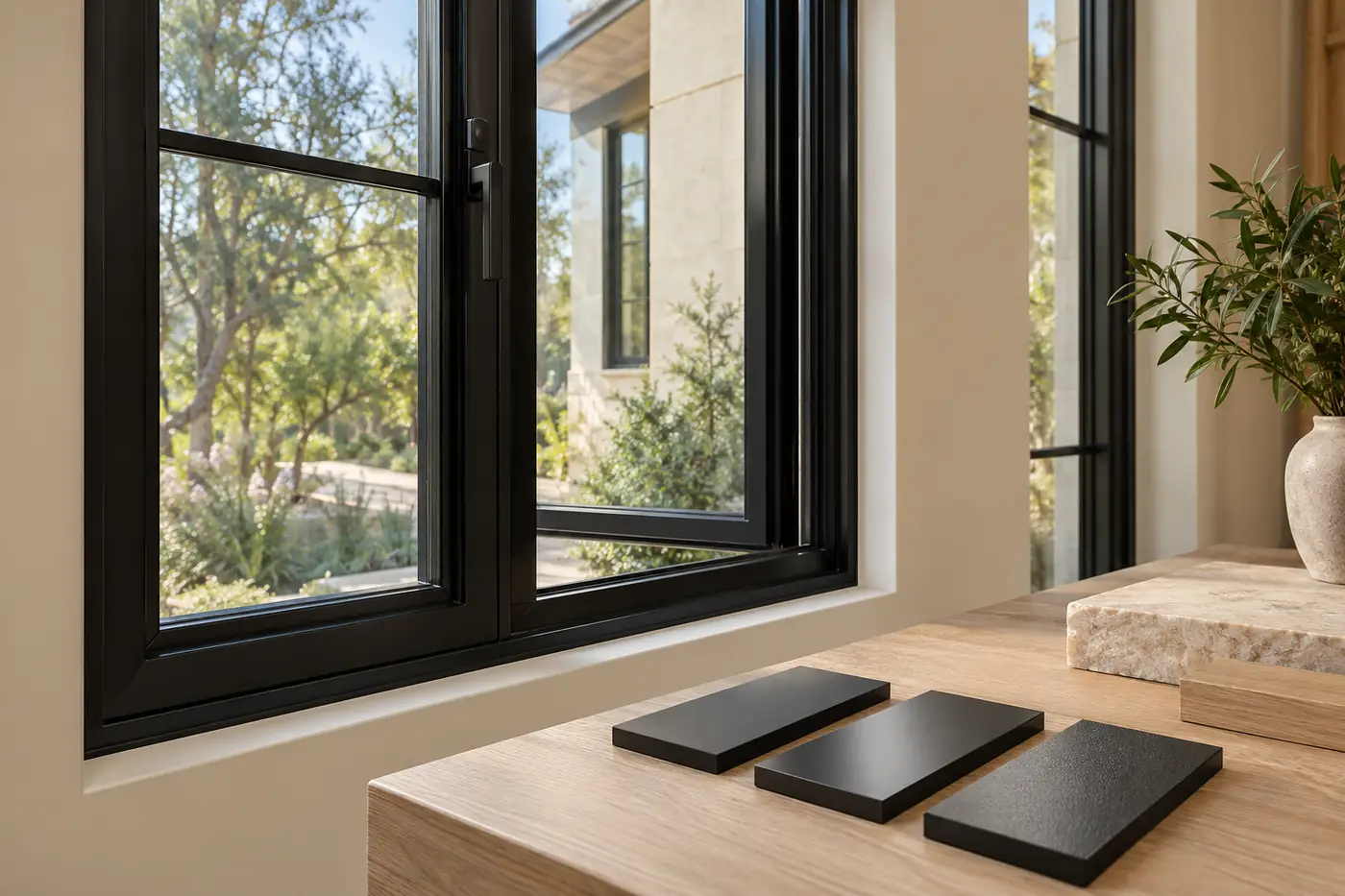
Take physical samples outside and into the rooms where you will use them. Matte, satin and textured black can look noticeably different under changing light.
RAL 9005 identifies Jet black; it does not specify gloss, texture or weathering performance. Approve those separately. Review the window and patio-door samples together, especially when they come from different manufacturers.
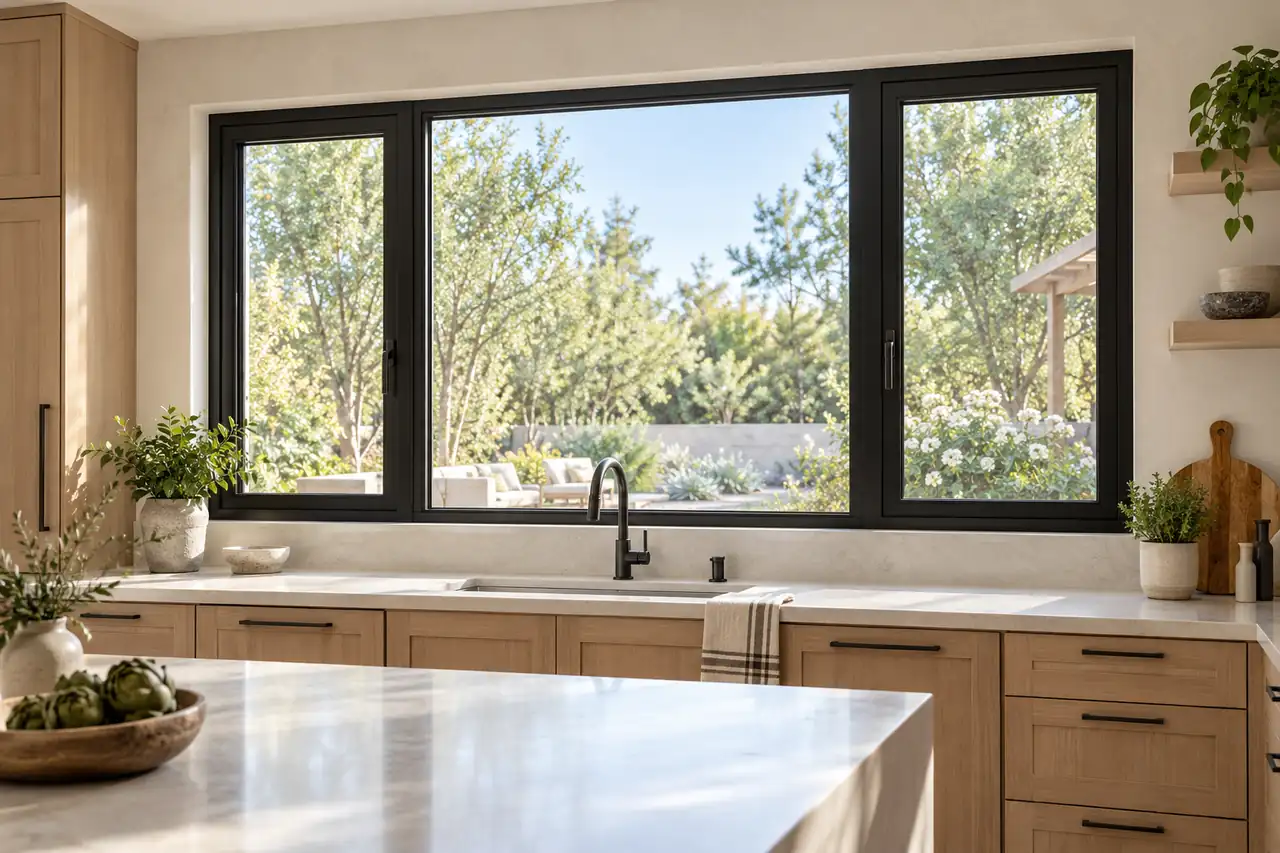
What Changes in Sunny or Coastal Locations?
Strong sun: separate finish durability from energy performance
In sunny locations, ask about the finish’s resistance to weathering and the applicable warranty. Dark surfaces can become hot in sunlight, and aluminum expands as its temperature rises; black frames are not exempt from thermal movement.
For indoor comfort, assess the complete window: thermal breaks, glazing, air leakage and installation. Compare whole-window U-factor and SHGC, with your designer accounting for orientation and shading. A thermal break reduces heat conduction through the frame; it does not eliminate it.
A durable black coating cannot compensate for an unsuitable glass package or an unshaded west-facing glass wall.
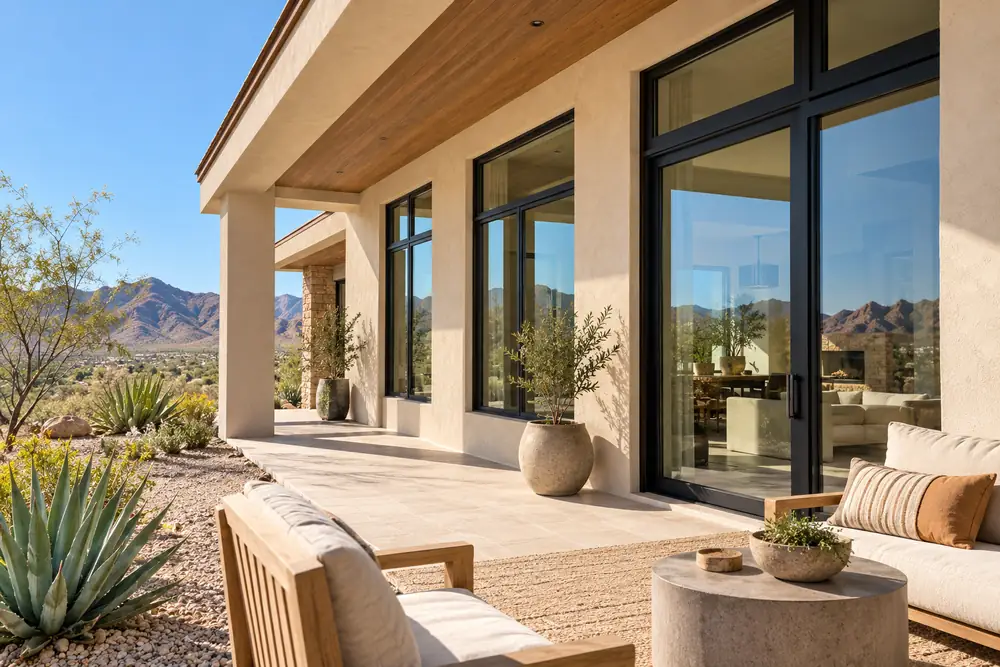
Coastal exposure: look beyond the face of the frame
Salt exposure makes pretreatment, coating application, joints, exposed edges and hardware important. Aluminum can corrode; black powder coating does not make the assembly immune.
Ask whether the warranty covers your distance from the shoreline and what washing schedule it requires. Check access for cleaning upper-floor frames before finalizing the elevations. Where wind or impact requirements apply, verify those separately from the finish specification.
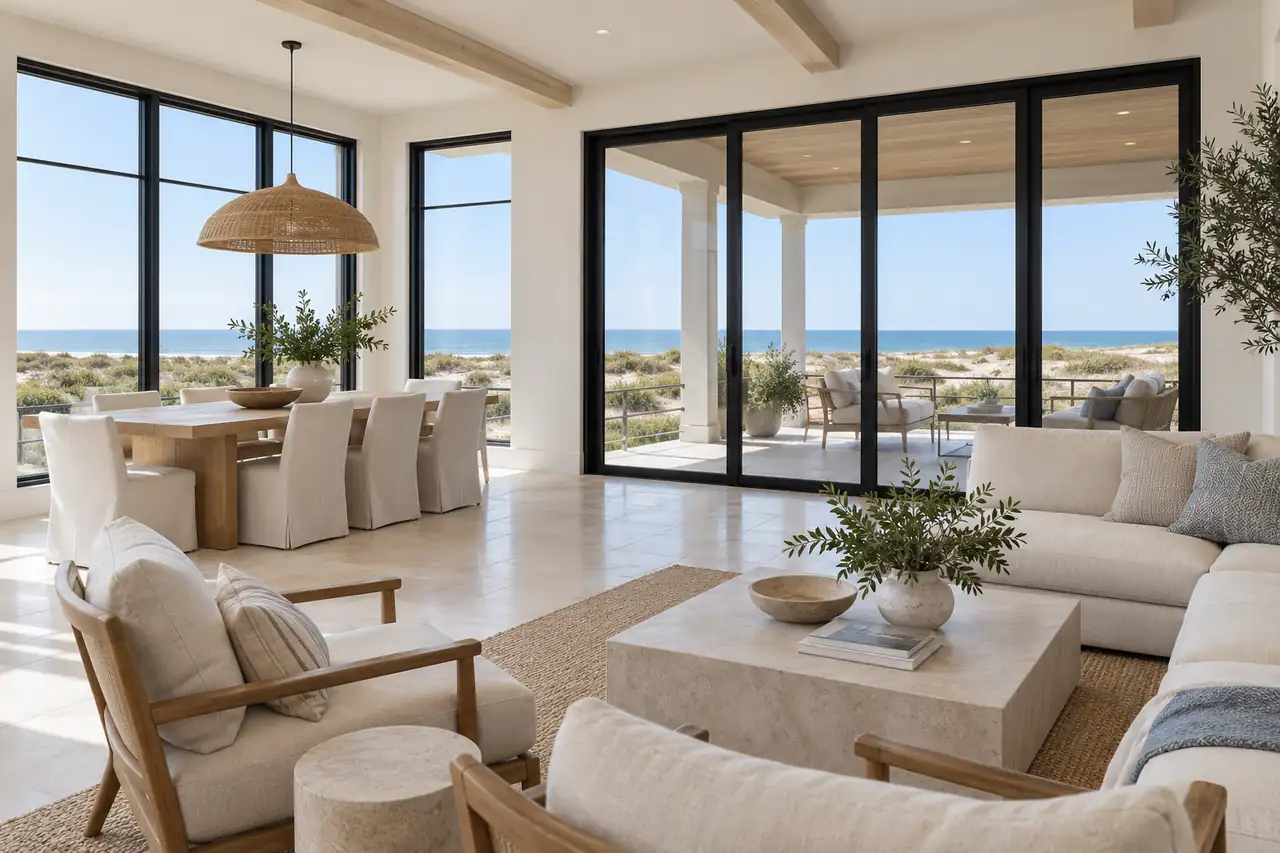
Before You Approve the Window Order: Five Things to Get in Writing
For a new build, settle these details before production, while your builder can still coordinate openings, adjoining materials and delivery.
| Confirm | What your order should record |
|---|---|
| 1. Approved appearance | Interior and exterior colors, gloss, texture and a retained physical sample; agreed color-matching acceptance criteria. |
| 2. Coating specification | Manufacturer, product series, applicable standard, specified dry-film thickness and relevant supporting documentation. |
| 3. Coordinated window schedule | Sizes, opening directions, frame profiles, glazing, hardware and matching door finishes. |
| 4. Warranty responsibilities | Coverage for color change, chalking and peeling; exposure exclusions; who pays for labor, transport or replacement. |
| 5. Delivery and site care | Protective packaging, arrival inspection, storage instructions, film-removal timing and approved cleaning methods. |
When importing from China, do not treat “RAL 9005, 60 μm, 500 hours” as a complete quality specification. The color reference does not establish durability. Required film thickness depends on the coating system; request its technical data sheet and inspection records.
Likewise, ask which salt-spray method was used, what specimens were tested and what constituted a pass. ASTM B117 describes a test practice, not a universal product acceptance threshold. Salt-spray hours do not translate directly into years beside the ocean.
For coordinated sizing, finishes and glazing, explore our custom windows and doors. Project drawings make a more useful starting point than a color-only inquiry.
Frequently Asked Questions
Are black aluminum windows always more expensive than white?
No. Black may be a standard finish. Extra cost can come from coating performance, custom processing or different interior and exterior colors. Compare otherwise identical quotes and ask for the finish difference to be itemized.
Will black window frames make my home hotter?
Frame color alone cannot answer that. Surface temperatures depend partly on solar absorption, while indoor heat gain also depends on glazing, frame construction, window area, orientation and shading. Compare whole-window ratings for the configuration you plan to buy.
Can I have black outside and white inside?
Some aluminum systems offer different interior and exterior colors. Confirm that option for your chosen window and door models, including the appearance of visible edges when open. It may affect price and lead time.
Are black aluminum windows difficult to keep clean?
Pale dust, salt residue and water spots can be conspicuous against black. Plan accessible cleaning and follow the supplier’s instructions. Avoid abrasive pads or unapproved chemicals that could damage the finish; coastal exposure may require more frequent washing.
Can scratches in the black finish be repaired?
Small scratches may be suitable for an approved touch-up, but a repair can differ in sheen or color from the factory finish. Report delivery damage before installation and ask the supplier to approve the remedy, particularly where bare aluminum is exposed.
PLAN YOUR NEW HOME WITH GEORGE
Let’s Find the Right Black Window Finish for Your New Home
Send George your project location, elevations, window schedule and preferred look. We can help coordinate window and door options around your design and performance needs, with finish details clarified before production.
— Finish selection — Climate and glazing — Coordinated windows and doors