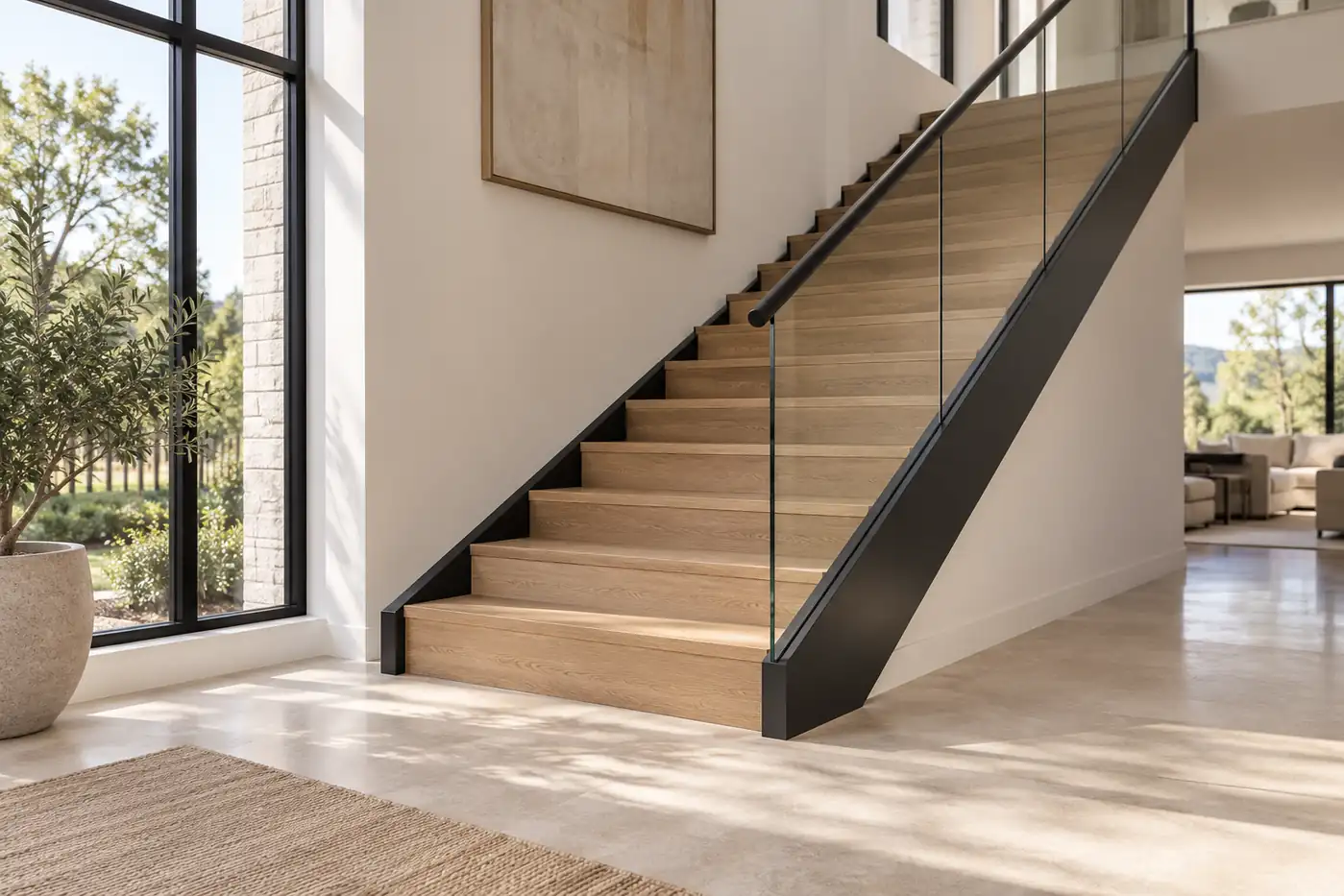
















Picture two living rooms. One overlooks a snowy Minnesota garden. The other faces the afternoon sun in Florida. Both have beautiful windows, but their glass needs to solve different problems.
When we compare single vs double vs triple glazing, we start with your climate, then look at verified window performance and the upgrade cost. Low-E double glazing is a sensible starting point for many homes.
Triple glazing deserves closer attention in cold climates and rooms with large windows. The right choice should make your home comfortable without asking you to pay for benefits you will barely notice.
Single, Double and Triple Glazing: What Changes?
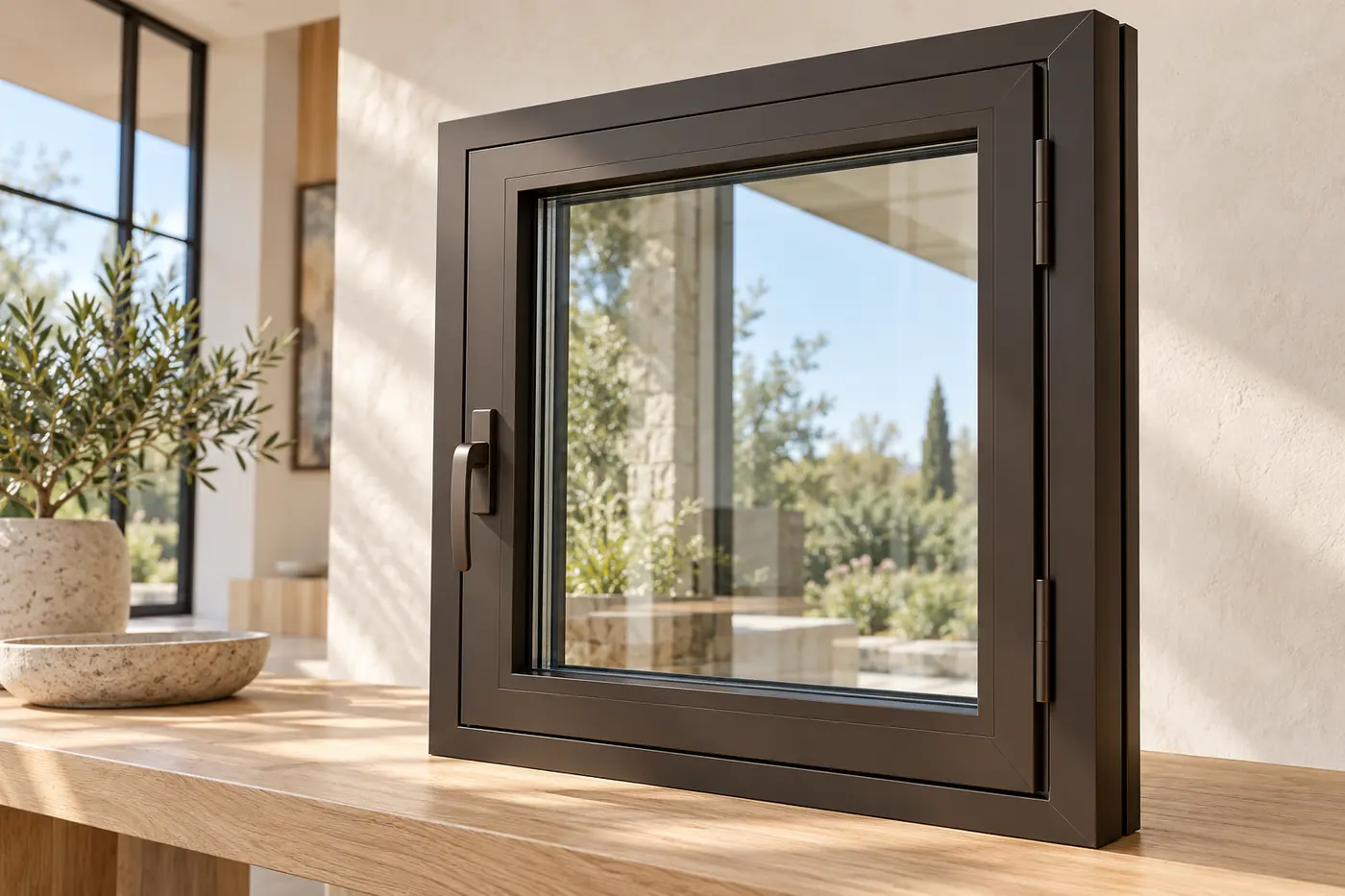
Single glazing uses one sheet of glass. Double glazing has two panes separated by a sealed insulating space. Triple glazing adds a third pane and a second space. Modern insulated glass units can also include Low-E coatings and insulating gas, commonly argon.
The extra spaces and coatings reduce heat transfer. However, glass count alone does not tell you how well a finished window performs.
| Configuration | Illustrative U-factor* | What to consider |
|---|---|---|
| Older single glazing | Around 1.0 | Limited insulation; still found in existing homes |
| Low-E double glazing | About 0.28–0.35 | A useful comparison starting point; better-performing options exist |
| High-performance triple glazing | About 0.15–0.22 | Lower heat transfer, with configuration-dependent cost and weight |
*These are examples of performance levels, not fixed ratings or industry averages. Actual products can fall outside these ranges. U-factor is shown in US units: Btu/(h·ft²·°F).
Lower U-factor means less heat transfer. Compare the whole-window NFRC rating, which includes the frame and glass edges, rather than a glass-only number. A U-factor of 0.30 in US units is approximately 1.70 W/(m²·K). Converting units does not make a glass-only result equivalent to an NFRC whole-window rating.
As NFRC explains, its ratings describe certified whole-product performance. We would rather compare two verified numbers than two impressive-sounding glass descriptions.
For example, reducing U-factor from 0.30 to 0.20 lowers conductive heat transfer by one-third under the same area and temperature conditions. It does not cut your whole energy bill by one-third. Walls, air leakage, solar gains and equipment still affect the result.
Choose Your Glass Package by Climate and Address
Use the following table to build a shortlist. These are selection priorities, not building-code limits.
| Climate | Start your comparison with | When triple glazing deserves attention |
|---|---|---|
| Cooling-dominated, often IECC Zones 1–3 | Low-E double glazing, low SHGC and exterior shade | Large glass areas or demanding whole-home performance goals |
| Mixed heating and cooling, often Zone 4 | Balanced U-factor and SHGC | Winter comfort concerns and a reasonable upgrade price |
| Cold, Zones 5–7 | Low whole-window U-factor; compare double and triple quotes | Long winters, large windows and long-term occupancy |
| Very cold, Zone 8 | A high-performance window and installation system | Triple glazing should be a central part of the evaluation |
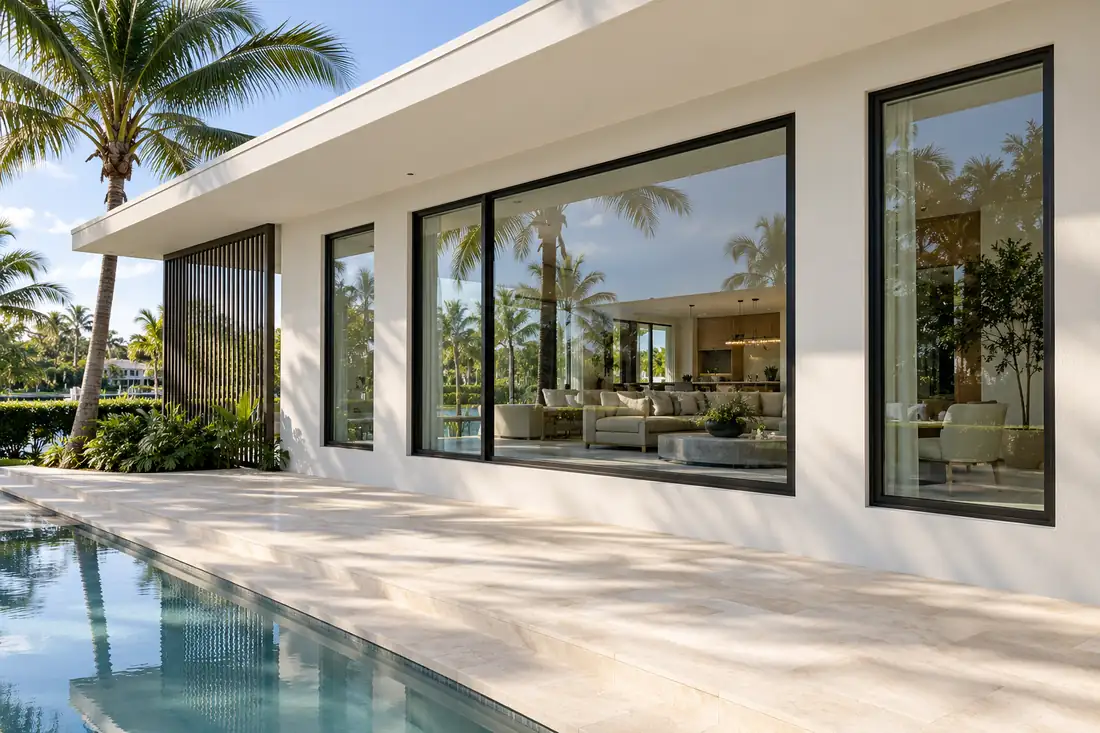
In Florida or southern Texas, unwanted sunshine can be a major cooling load. SHGC, the solar heat gain coefficient, tells you how much solar heat enters through the window. Lower values admit less. A third pane is not a substitute for the right solar-control coating and shading.
In mixed climates, both seasons matter. Check west-facing afternoon sun and winter heat loss together. In a mild location, an efficient double-pane window may provide the comfort you need at a lower price.
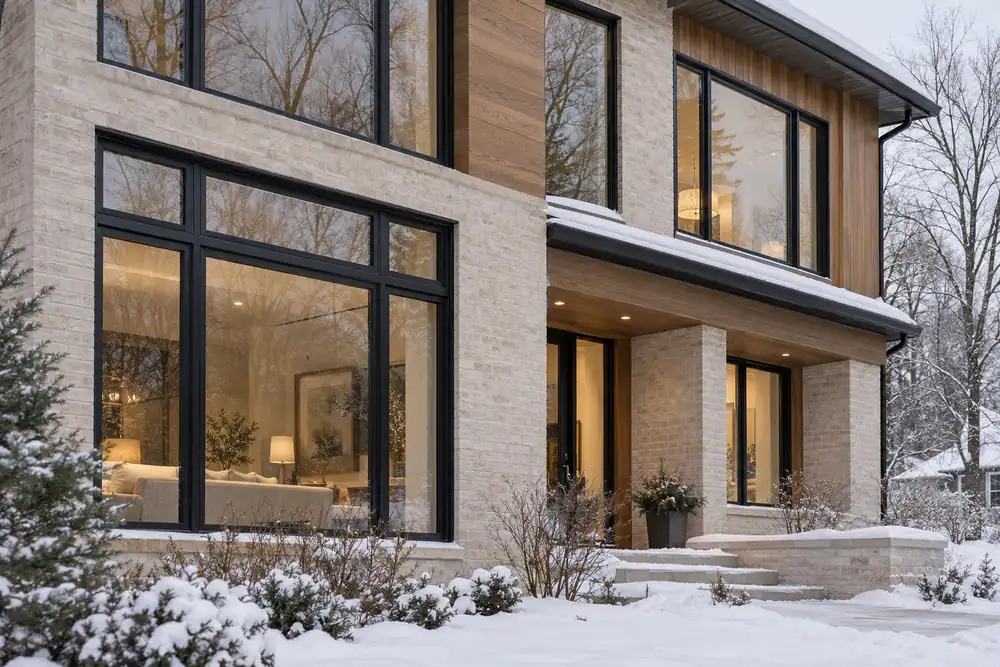
For Zones 5–7, we recommend requesting a triple-pane alternative rather than dismissing it as an expensive extra. A colder indoor glass surface can make a large window unpleasant to sit beside, even when the thermostat reads normally.
Remember that IECC zones and ENERGY STAR’s four window climate zones are different systems. Use the ENERGY STAR state-and-county finder and confirm the applicable energy code with your project team. California also uses its own energy-code climate zones.
Under current ENERGY STAR Version 7 criteria, the main Northern window pathway requires U-factor ≤0.22 and SHGC ≥0.17. Alternative pathways allow U-factors of 0.23–0.26 with higher SHGC. ENERGY STAR specifies performance rather than pane count; qualification is voluntary and does not replace local code compliance.
In a cold climate, useful winter sunshine may justify a different SHGC from a heavily exposed west-facing room. Review orientation, overhangs and summer overheating together. We would avoid choosing one coating for every elevation simply because the house has one address.
When Is Triple Glazing Worth Paying For?

Think about where you spend time. A breakfast table against a large window, a bedroom reading corner or a living room with extensive glass can make winter comfort more important than a small change in the annual bill.
Triple glazing is especially worth comparing when winters are long, heating costs are substantial and you expect to stay in the home. It also fits naturally into a well-insulated, airtight new home where windows are an important remaining source of heat loss.
Berkeley Lab’s 2025 update documents expanding production of lightweight thin-triple windows. That supports growing availability, rather than a blanket claim about regional market share. Conventional triples and thin-triples can have different weight and frame requirements.
We also separate cold-glass discomfort from actual air leakage. Better glazing addresses heat transfer; leaky seals or poorly installed perimeter joints need their own solution. If road noise is the priority, ask for tested sound performance for the exact configuration. Three panes alone do not guarantee the quietest window.
Calculate the Triple-Glazing Upgrade, Not the Entire Replacement
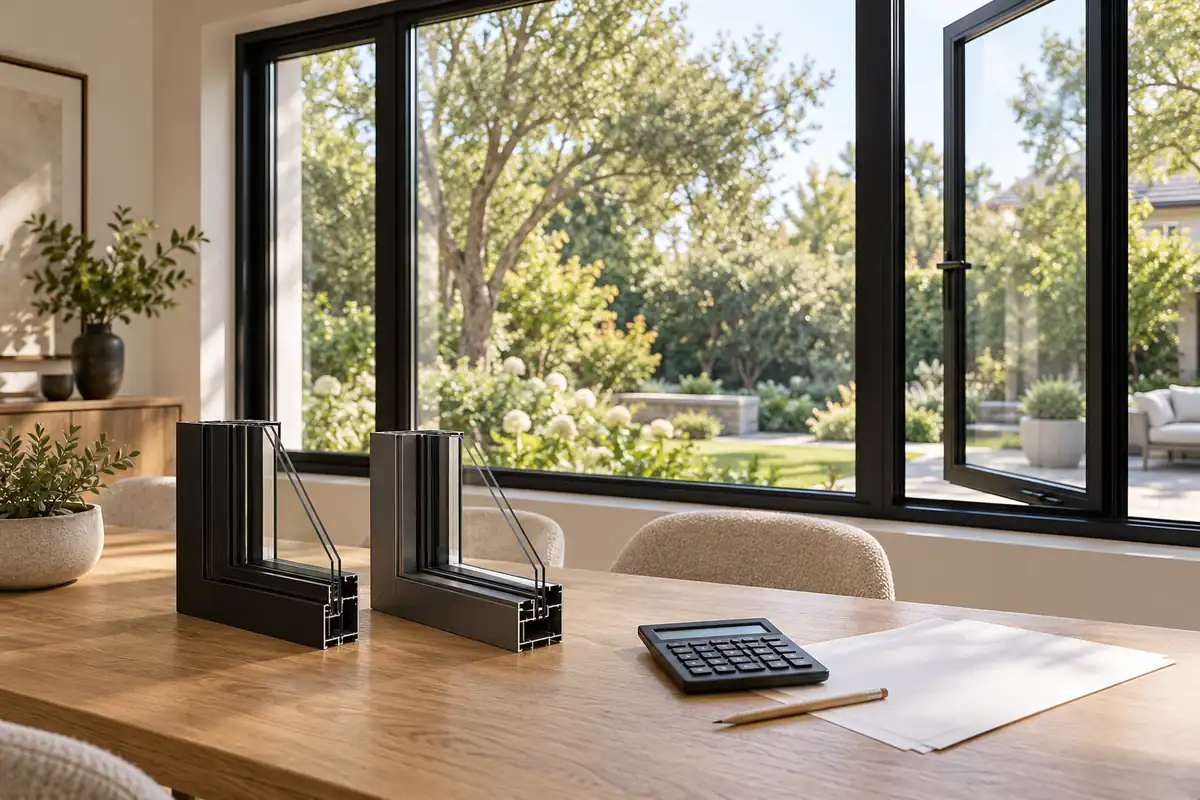
A useful quote compares the same window series, sizes, opening types, finish and installation scope, changing only the glass package where possible. For imports, include freight, handling and installation differences in the total upgrade cost.
A 20–40% premium may appear in some quotations, but it is not a universal rule. Pella’s comparison, for example, cites approximately 10–15% for comparable configurations. Your actual project quote matters more than a general percentage.
Here is a hypothetical example: double-pane windows cost $20,000 installed, while the comparable triple-pane package costs $24,000. The upgrade is $4,000.
Simple payback = additional installed cost ÷ additional annual energy savings.
| Extra annual savings from triple vs double | Simple payback on $4,000 |
|---|---|
| $200 | 20 years |
| $400 | 10 years |
| $500 | 8 years |
These are arithmetic examples, not savings predictions. An 8–15-year payback needs project-specific evidence. Energy prices, heating-system efficiency, window area, orientation and both packages’ ratings affect the result.
Do not credit triple glazing with all the savings from replacing old single-pane windows. Efficient double glazing would deliver part of that improvement too. Simple payback also excludes financing, discounting and future maintenance. Ask your energy modeler to compare both proposed packages. Then decide separately what better window-side comfort is worth to you.
Bring a recent year of utility bills to that conversation, along with the fuel type and planned heating equipment. Compare conservative and optimistic savings scenarios; an upgrade should still feel sensible when energy prices or weather differ from expectations.
Look Beyond the Glass: Frames, Seals and Installation
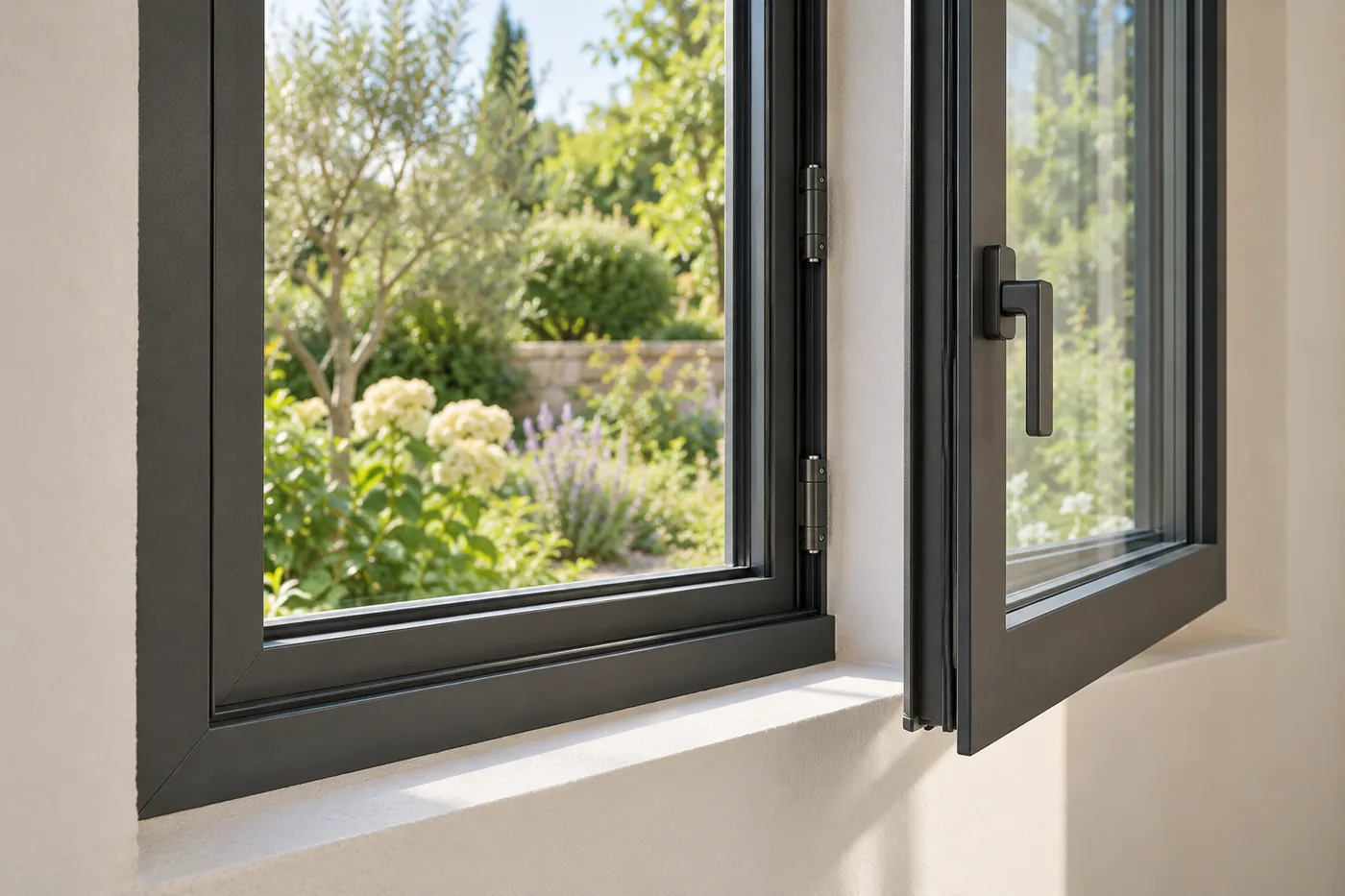
For aluminum windows, the thermal break deserves attention. It interrupts heat flow through the metal frame. Ask for the performance of the complete frame-and-glass combination, rather than assuming a third pane can compensate for a poorly insulating frame.
The Low-E coating, insulating gas, edge spacer, seals and opening style also influence results. Fixed windows and operable windows can have different ratings, even within the same product family. Compare the window type you will actually buy.
Confirm the allowable glass thickness, sash weight and hardware capacity, particularly for large openings. Conventional triple glazing can add weight and depth; lightweight thin-triple products may behave differently.
Finally, review installation drawings for weather sealing, drainage and perimeter insulation. A strong laboratory rating cannot fix a weak installation. We would check these details before spending the entire performance budget on an extra pane.
Importing from China: Request Verifiable NFRC Information
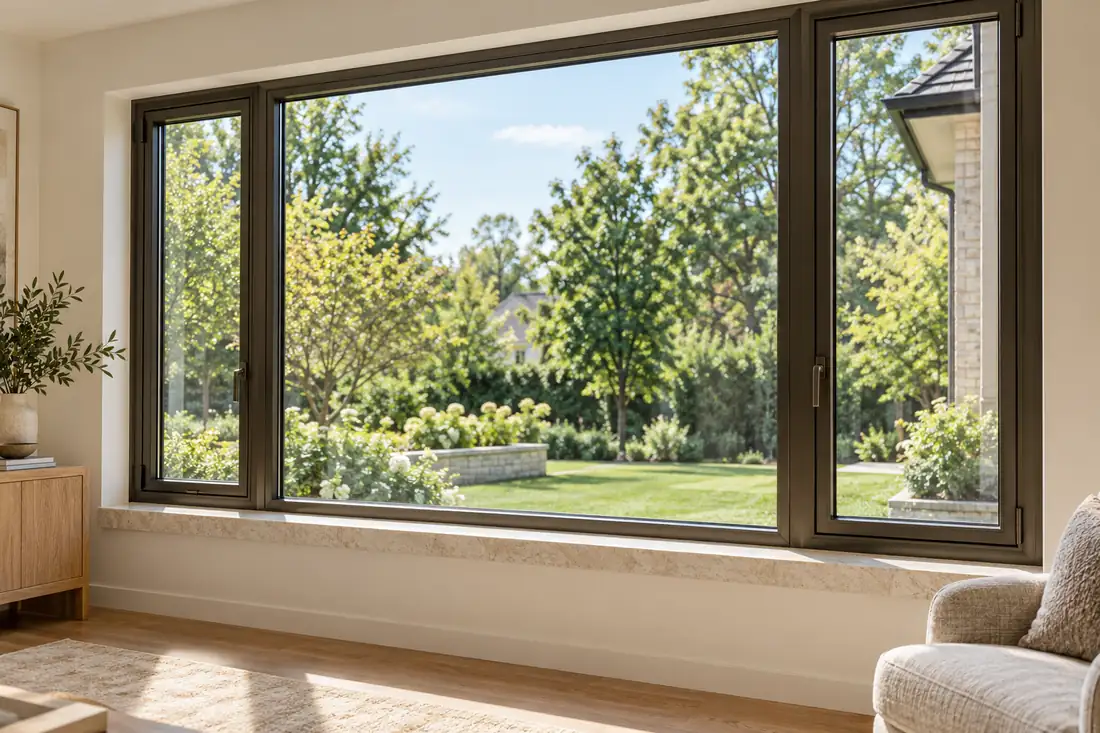
When comparing imported residential windows, we recommend requesting NFRC-certified energy ratings for the exact proposed product configuration before ordering. Ask your designer or permit reviewer to confirm the documentation route accepted for your project.
A glass laboratory report or a supplier’s spreadsheet is not proof that the finished window is NFRC certified. Neither is a European center-of-glass Ug value, even when its units are converted.
- Identify the product. Record the manufacturer, product line, window type and proposed glass configuration.
- Request the ratings. Obtain whole-window U-factor, SHGC and visible transmittance, which indicates daylight admission.
- Verify the listing. Check the product and current certification status in the NFRC Certified Products Directory. Request the relevant product identification and label information.
- Match the order. Confirm that the quoted frame, glazing and options correspond to the documented configuration.
- Confirm delivery records. Agree on labeling and supporting documents before production and shipping.
NFRC energy ratings do not establish hurricane-impact resistance, structural performance or approval for every location. Those checks remain separate.
You can explore our aluminum window options while preparing a specification, but confirm availability and documentation for the selected configuration rather than assuming every option shares one certification.
Keep the approved window schedule and supporting records together. If a supplier later proposes a different coating, gas fill or frame option, recheck the ratings before accepting the substitution.
Five Questions Before You Approve the Quote
Before selecting the glass, we would write down five answers:
- What is the project address, and which performance requirements apply?
- What are the verified whole-window U-factor and SHGC for each option?
- Which rooms have large windows, strong sun or winter comfort concerns?
- What is the complete upgrade cost, including handling and installation?
- Do the ordered configuration, certification records and installation details agree?
If those answers are clear, double versus triple becomes a practical decision. You can evaluate the additional performance against your climate, daily comfort and budget, rather than purchasing a pane count.
Homeowner FAQs
Are triple-pane windows worth it in Florida?
Sometimes, especially for demanding performance goals. For many homes, we would first compare solar-control Low-E double glazing, SHGC and shading.
Can double-pane windows work in a cold climate?
Yes, when their whole-window ratings meet the project’s requirements. Compare the actual product against a triple-pane alternative.
Does triple glazing prevent condensation?
It can improve resistance to condensation. Indoor humidity and outdoor temperatures still matter; no pane count guarantees dry glass.
Can we mix double and triple glazing?
Potentially. Confirm compliance, exterior appearance and glass color across the selected configurations with your project team.
Is a glass test report enough for an imported window?
It does not establish NFRC certification of the finished window. Request verifiable whole-product information and confirm the project’s documentation requirements.
Technical references