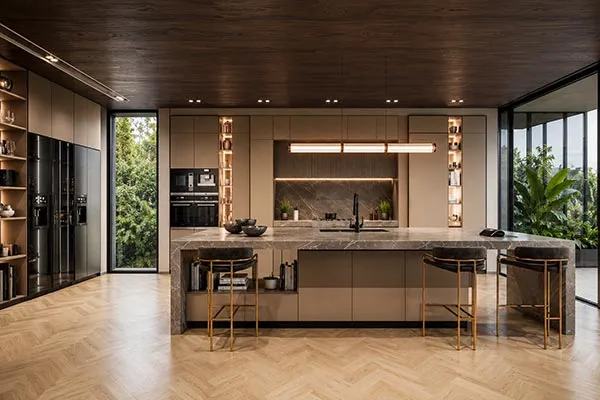
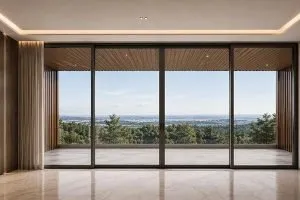



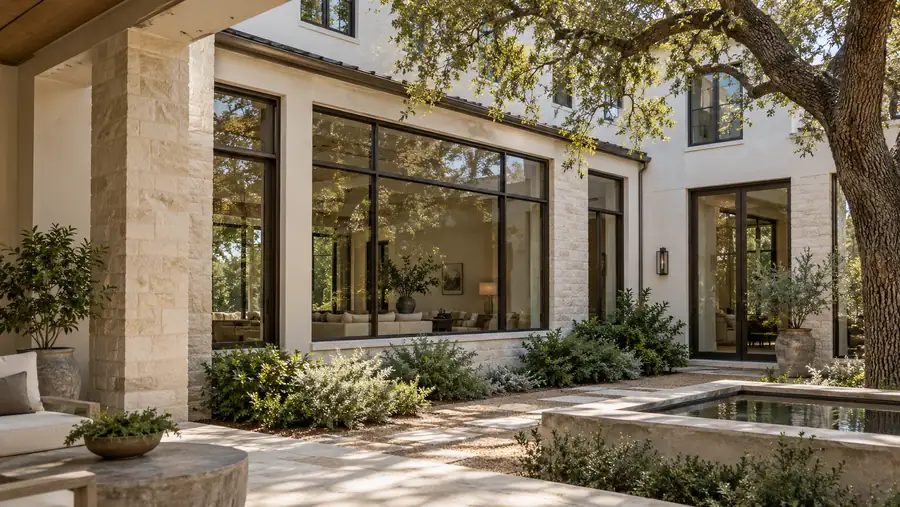
Window frame color changes how a house reads from the street. Black can emphasize each opening, white can connect the windows to traditional trim, and bronze can soften the transition between glass and warm masonry. A custom powder coat can tie an entire exterior palette together.
The right decision involves more than a favorite swatch. We recommend choosing the architectural effect first, checking the finish against your climate, and approving a physical sample before ordering.
This guide explains how to compare the options and what to put in a window quote so the delivered finish matches your expectations.
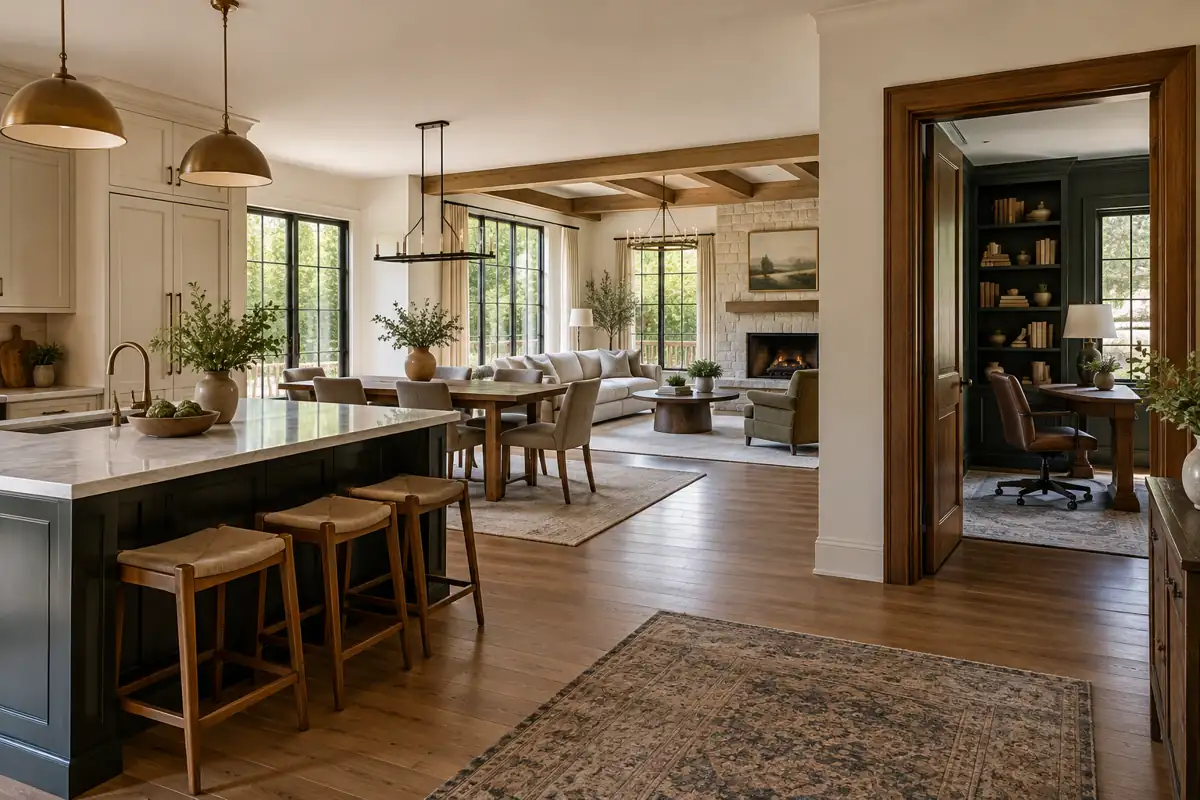
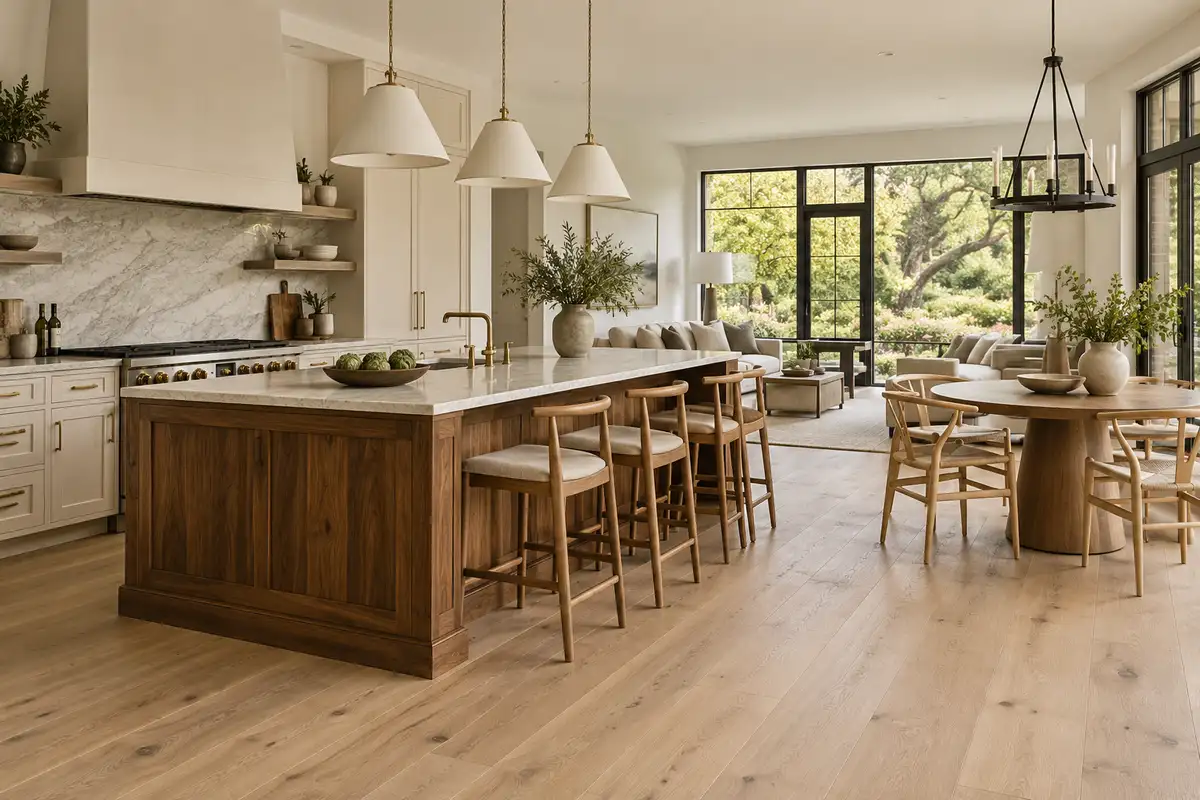
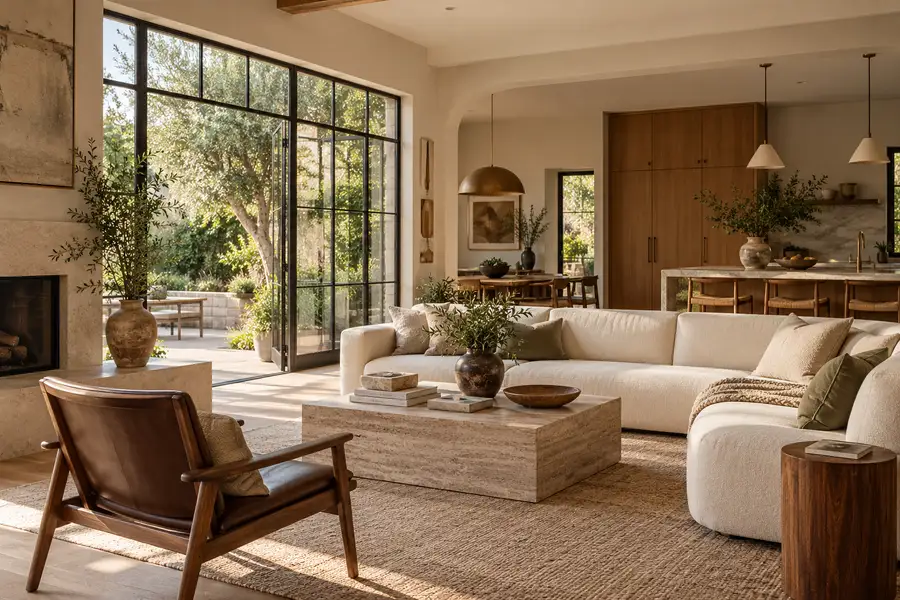
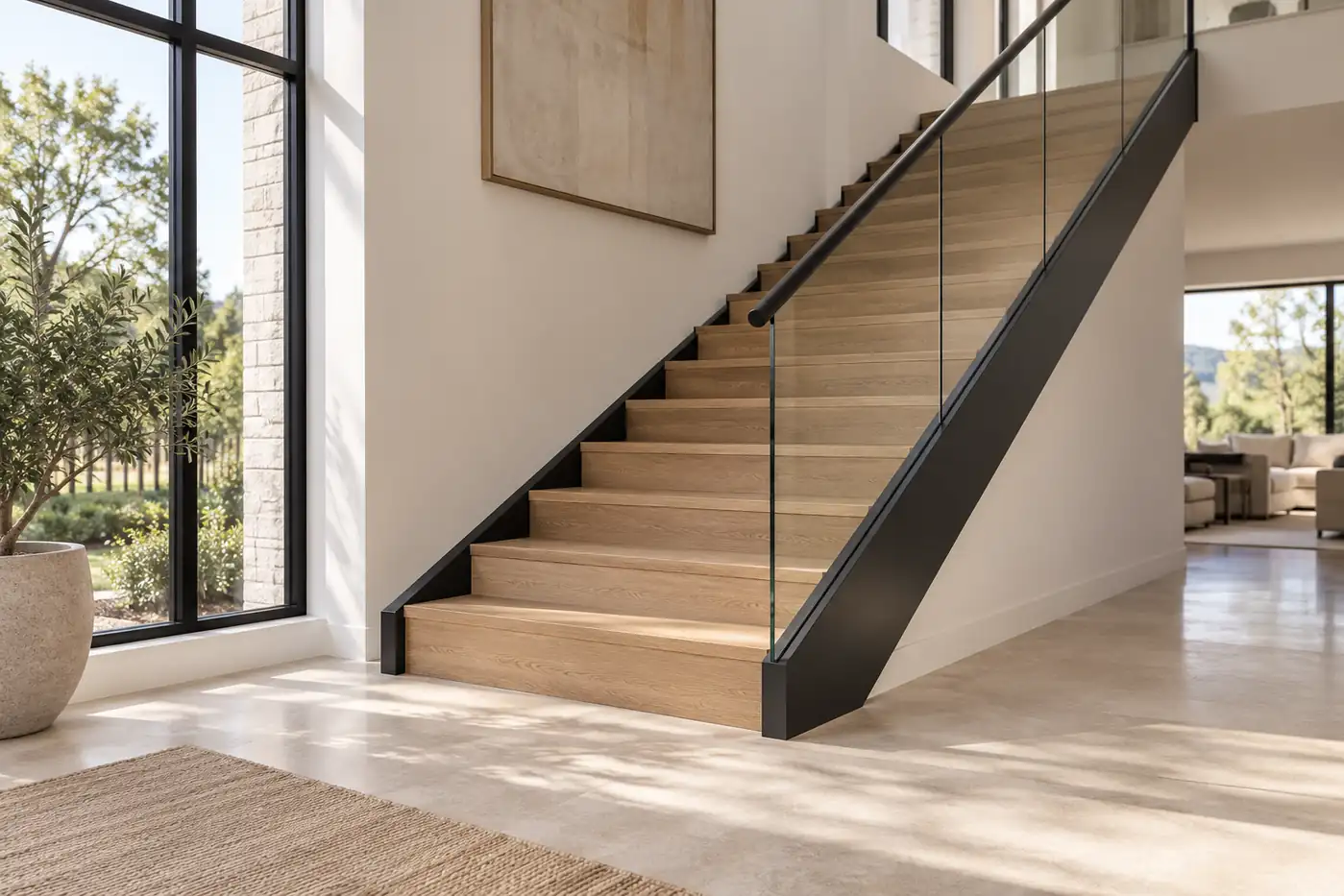
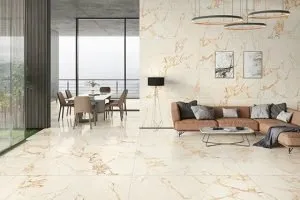
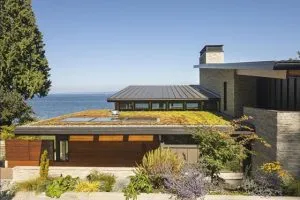
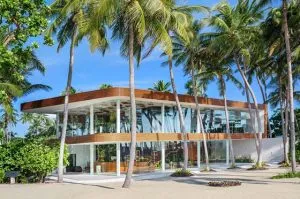
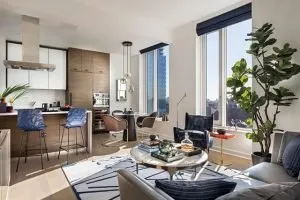
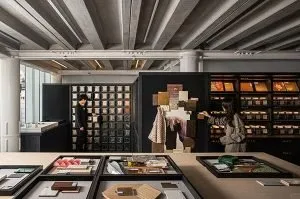
Images are illustrative design renderings, not exact RAL color references or completed George projects.
Start With Your Exterior, Not a Color Swatch
Begin with the materials that are hardest to change: roof, stone, brick and existing doors. Identify whether their dominant undertones are warm, cool or neutral. Then decide whether you want the windows to stand out or blend into the wall.
Use the house’s proportions as a second filter. A dark frame outlines every opening and makes a dense grid of divided lights more visible. A light frame can create a gentler rhythm on a traditional facade. Narrow profiles and large panes often suit a restrained contemporary palette.
Review the interior at the same time. A frame that works outside may look different beside kitchen cabinets or wood flooring. Check neighborhood or HOA color restrictions before paying for samples, and ask whether your chosen window system offers different interior and exterior finishes.
If you are replacing only some windows, consistency usually deserves extra weight. Compare new profiles and finishes beside the existing units before choosing a contrasting color for one elevation.
A full replacement offers more freedom to rethink the palette. In either case, evaluate a rendering or marked-up elevation so the decision accounts for window spacing and size, not just an isolated frame.
Black, White or Bronze: Which Look Fits Your Home?
Black: Strong Lines and Intentional Contrast
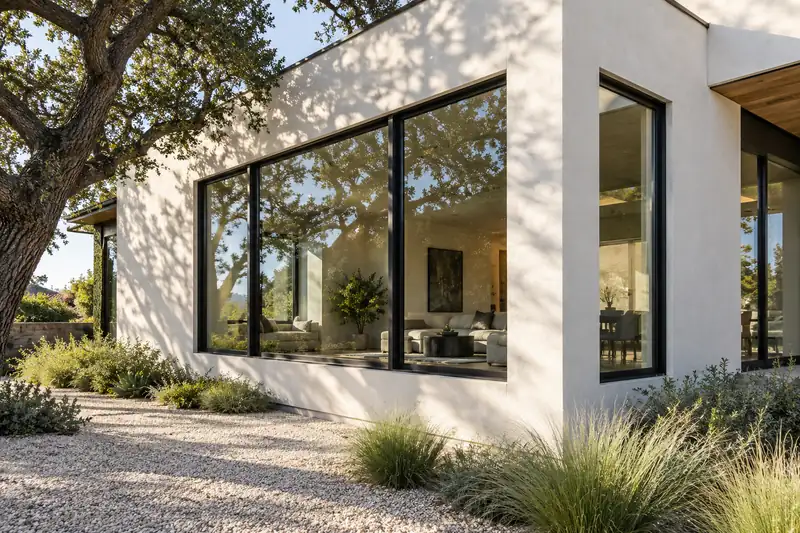
Black frames work well with modern, industrial and contemporary farmhouse architecture. Against white or pale stucco, they produce a crisp outline that draws attention to the glazing. Against a charcoal wall, they generally blend in; strong contrast is not automatic simply because the frame is black.
Keep nearby details consistent. Black gutters, door hardware or a metal roof can repeat the color without making every exterior element dark. On brick or stone, a softer dark neutral may feel more integrated than an intense jet black.
RAL 9005 is Jet Black, but it does not specify gloss or texture. Approve the actual coated finish, especially when matching windows with doors from another supplier.
White: Adaptable, but Check the Undertone
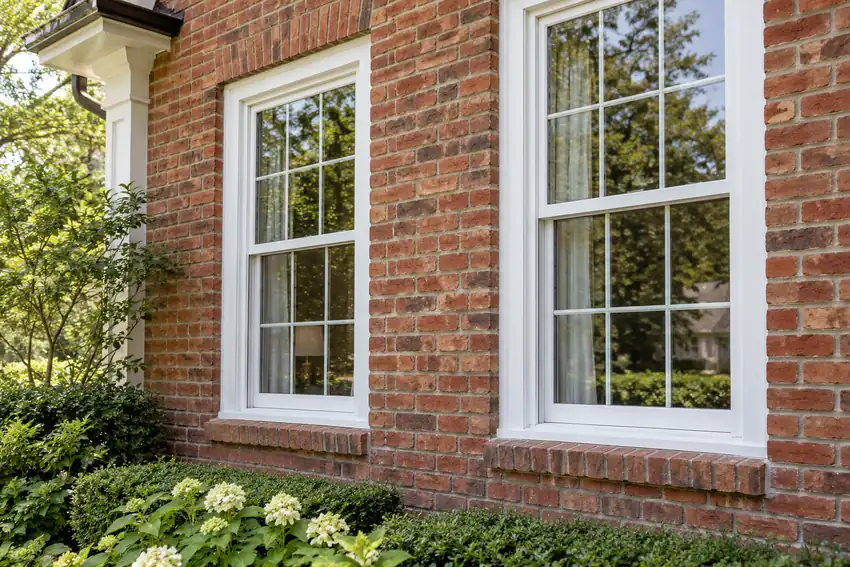
White is a flexible choice for traditional houses, coastal homes and many modern exteriors. It can connect window frames to fascia, porch columns and painted trim. On red brick, white emphasizes a familiar residential look; on a pale facade, it can reduce the visual weight of the openings.
RAL 9016 is Traffic White. It should not be treated as interchangeable with every paint labeled white. Beside cream limestone or warm stucco, a bright white may appear sharper than expected. Compare it with the existing trim in daylight before deciding.
Remember upkeep: light frames can show dirt and staining, while dark frames can reveal pale dust and deposits. The best choice depends on local conditions and access for cleaning.
Bronze: Warmth for Masonry and Mediterranean Homes
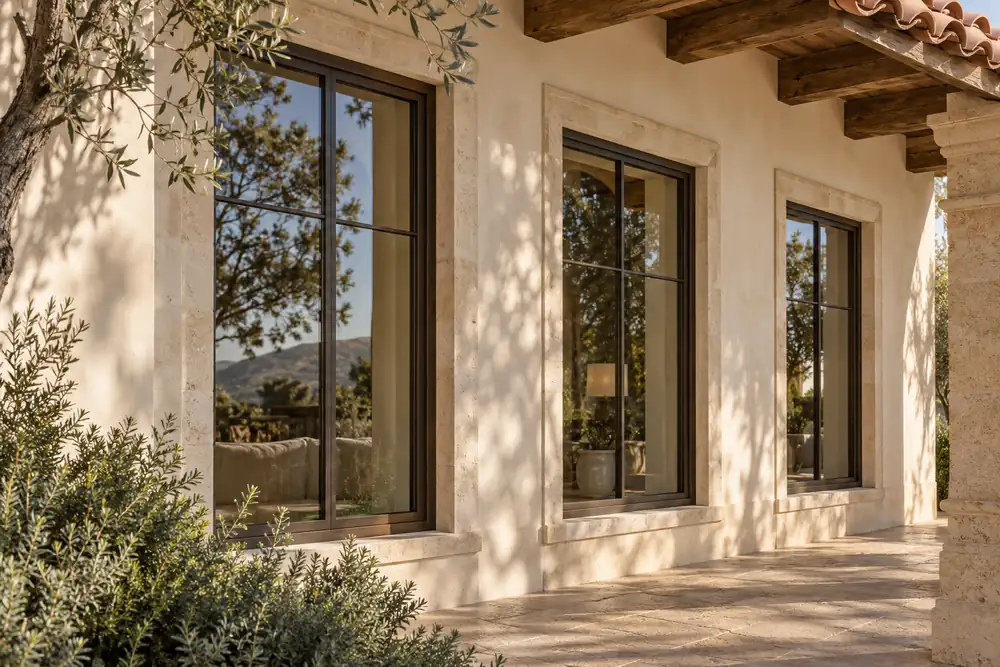
Bronze is worth considering for Mediterranean, Spanish Colonial and Southwestern designs, especially with terracotta roofs, sandy stucco and warm stone. It gives the opening definition while feeling less graphic than black.
However, bronze is a family of finishes, not one universal color. Some versions are nearly black; others are brown or metallic. Suppliers may offer bronze powder coating and bronze anodizing, which are different finishing processes. Ask for the exact product designation and a sample rather than approving the word bronze alone.
Choose the depth carefully. A dark bronze can anchor a light wall, while a midtone bronze can echo warm masonry. Evaluate metallic finishes from several angles because their appearance changes with light and viewing direction.
Match Window Frames With Stone, Brick and Stucco
These pairings are starting points for a design decision, not architectural rules. Judge the complete elevation, including mortar, roof, garage door and trim. A close color match can be more distracting than a deliberate contrast if the undertones disagree.
| Exterior material | Colors to sample | What to check |
|---|---|---|
| Cool gray stone | Black, charcoal, neutral white | Avoid an unintended clash with warm brown bronze. |
| Warm limestone or travertine | Bronze, warm white, muted custom colors | Compare with both the stone and the mortar. |
| Red or brown brick | White, black, dark bronze | Decide whether to emphasize trim or outline the openings. |
| Pale stucco | Black, bronze, coordinated white | Check contrast and the roof’s undertone. |
| Terracotta roof and sandy stucco | Bronze, cream, muted green | Keep the palette warm and controlled. |
| Dark siding or dark stucco | Black for blending; white for contrast | View the entire wall from across the street. |
For a mixed facade, pick one dominant material as your anchor. Avoid selecting a different frame color for every surface. Repeat a small number of tones across windows, doors and other fixed details to give the house a coherent appearance.
Mortar deserves particular attention on brick houses because it covers a surprisingly visible part of the elevation. Gray mortar may support a cool neutral frame even when the brick is warm. Beige mortar can pull the same wall toward bronze or cream. Sample directly beside both materials before settling on a color.
Color, Gloss and Texture: Specify All Three
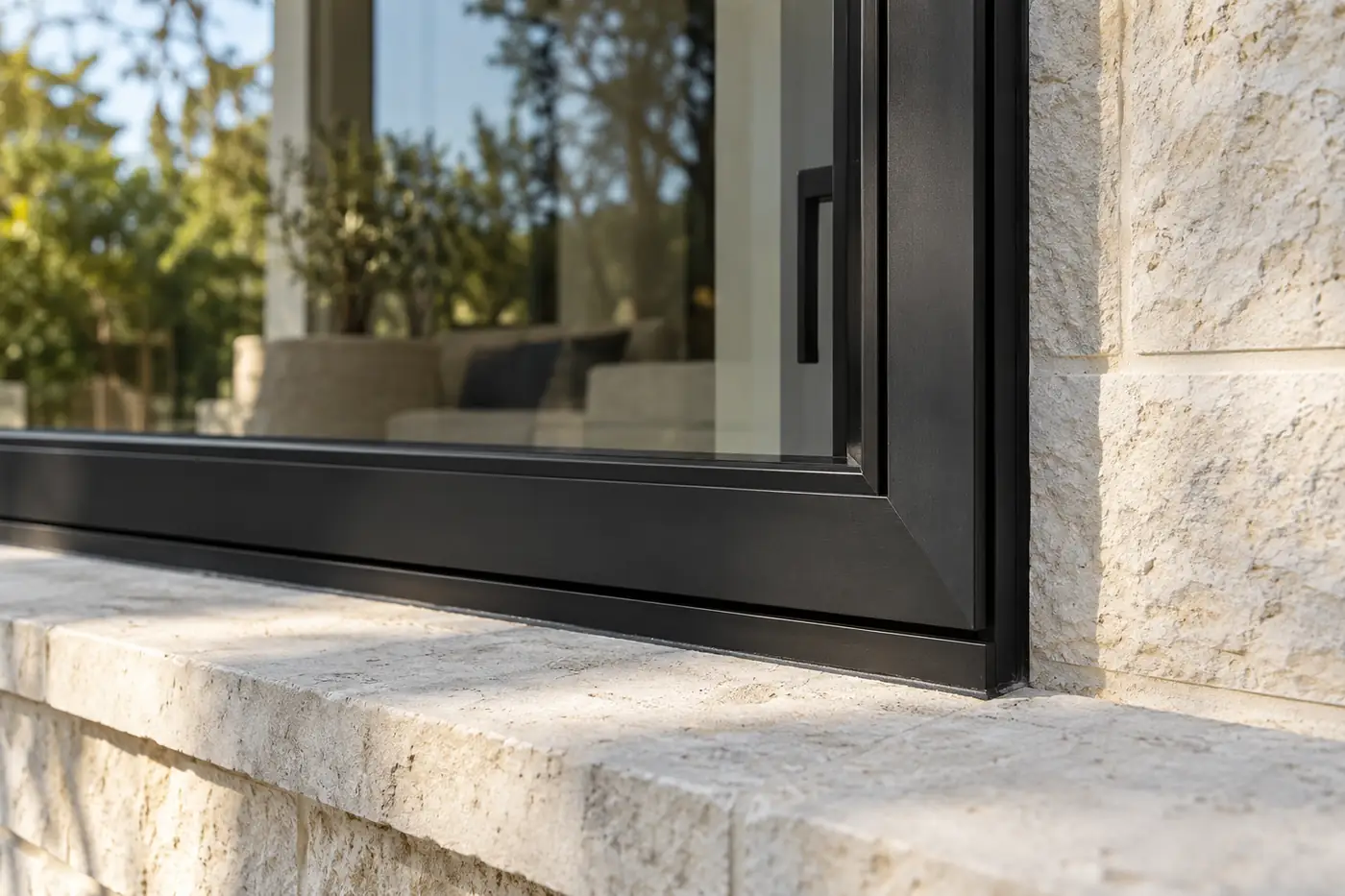
A RAL number identifies a color reference; it is not a complete coating specification. RAL provides separate semi-matt and high-gloss reference standards, illustrating why sheen must be agreed separately.
Matte finishes reduce reflections and often suit understated architecture. Glossy finishes reflect more light and can make the same nominal color look different. Fine texture also changes how a frame catches light and how closely it matches a smooth door panel.
Write down the RAL code, supplier’s finish name, agreed gloss and texture, coating system and approved sample reference. If several suppliers are involved, send each the same physical reference and request matching samples. Identical color codes alone do not guarantee an identical appearance across different materials or application processes.
Choose a Finish for Your Climate
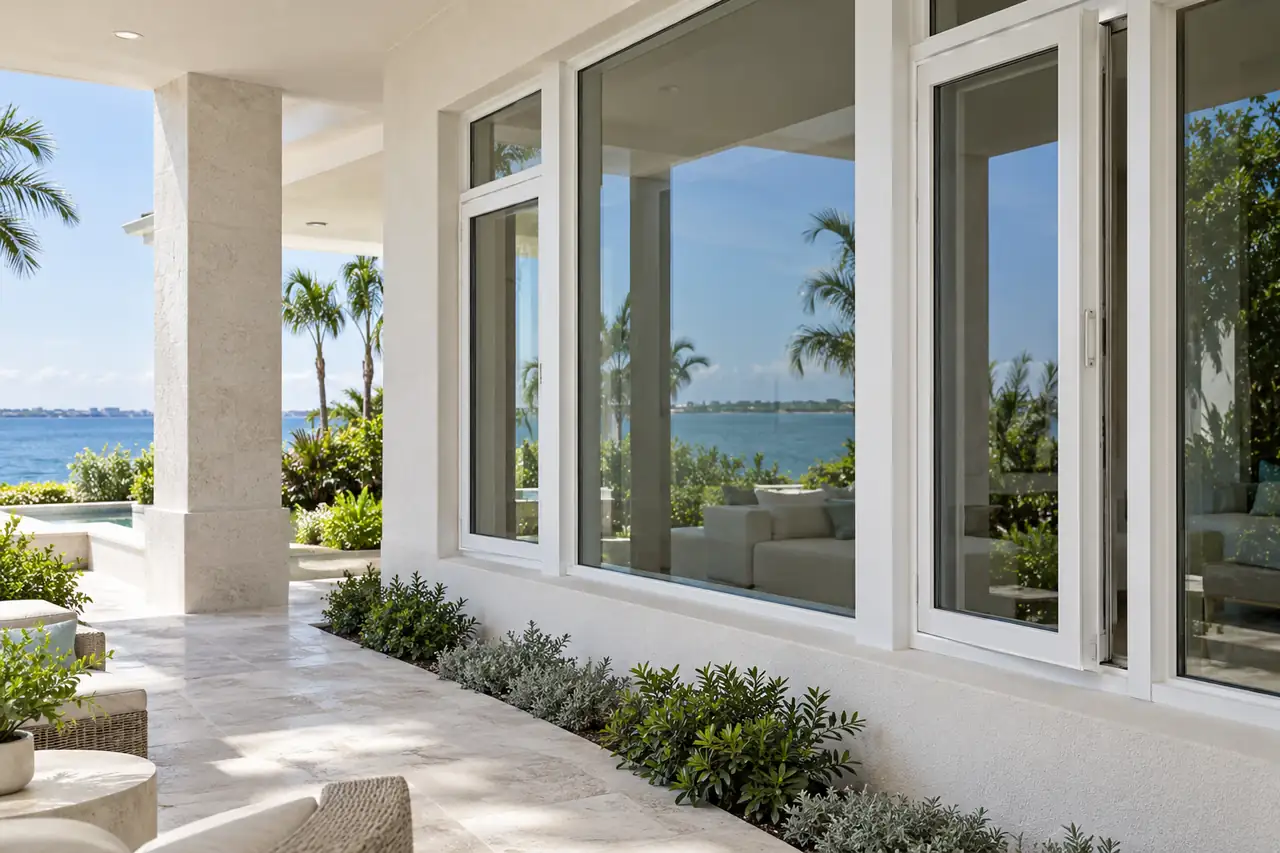
Color and durability are separate decisions. For coated aluminum, ask about AAMA 2603, 2604 and 2605, performance specifications for organic coatings. FGIA updated these documents in 2026. The number describes performance requirements, not a particular color or a guaranteed service life.
| Specification | Typical outdoor exposure test benchmark | Homeowner takeaway |
|---|---|---|
| AAMA 2603 | 1 year | Basic performance benchmark; investigate suitability for exposed exterior use. |
| AAMA 2604 | 5 years | Higher weathering performance to discuss for exterior architectural aluminum. |
| AAMA 2605 | 10 years | Highest weathering tier in this group; consider for demanding exposure. |
These commonly cited South Florida exposure periods are testing benchmarks, not warranty lengths. For strong sun or coastal exposure, compare documented 2604 and 2605 finishes alongside pretreatment, application quality, maintenance and the written warranty’s coastal exclusions.
Do not assume every powder coat meets 2605, or that this standard requires only liquid paint: suitable powder systems also exist.
Black surfaces can become hotter in direct sun, but color alone does not establish a window’s energy performance. Compare the complete product’s NFRC U-factor and solar heat gain coefficient (SHGC), where available.
Lower U-factor means less heat transfer; lower SHGC means less admitted solar heat. Thermal breaks, glazing and exterior shading matter when evaluating comfort. Ask for results covering the actual window configuration.
Ask who applies the finish and what documentation accompanies it. A high-performance powder still depends on proper aluminum preparation and application. For a waterfront property, confirm salt-related warranty conditions and the recommended cleaning schedule in writing before accepting the quote.
What to Confirm for Custom Powder Coating
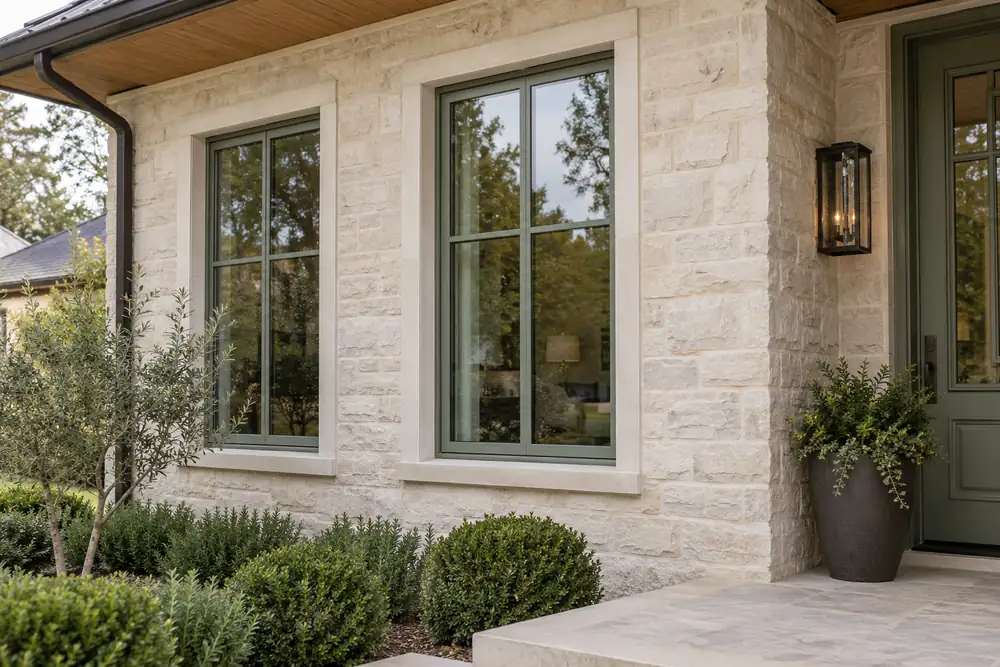
A custom color makes sense when standard finishes cannot coordinate with existing stone, historic trim or a specific architectural palette. Supply a RAL reference or an approved physical target, then confirm whether the requested color is available in the required durability grade.
Request a written quote for minimum quantity, setup charges, sample costs and lead time. A ten-window minimum is not an industry-wide rule. If a supplier quotes that minimum, ask whether it applies per color, per window series or to the combined project. Small orders and dual-color frames may have different conditions.
For metallic or effect powders, AkzoNobel’s application guidance recommends consistent powder batches, coating equipment and application conditions across a project. Discuss this before splitting production into phases. Also ask how future replacement sashes or additional windows will be matched; a color name cannot guarantee a perfect later match.
Approve a Physical Sample Before Ordering
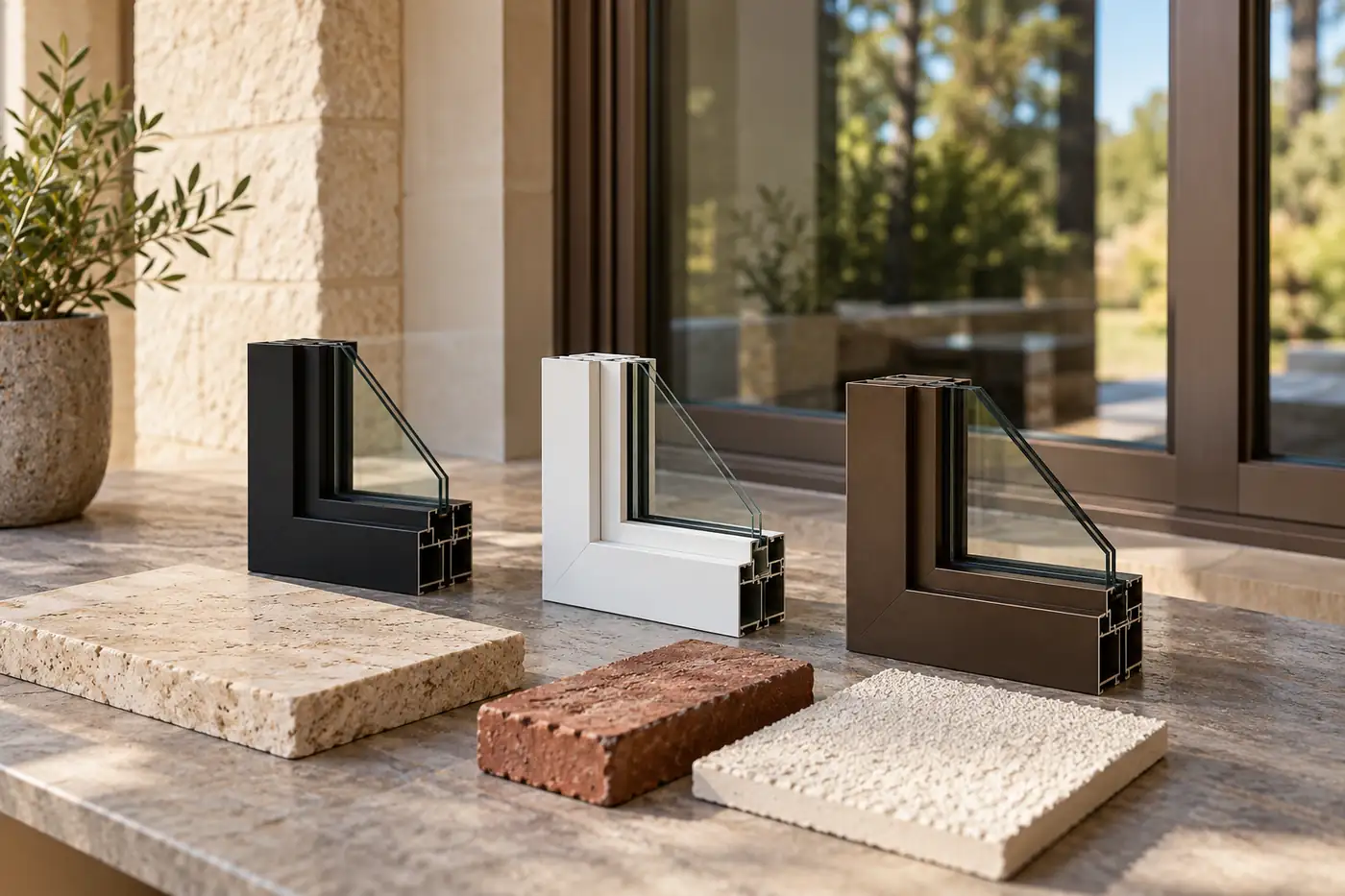
Digital swatches are useful for shortlisting. They are not reliable final approval tools: screens, photographs and lighting change perceived color. RAL advises using physical color samples for final color decisions.
- Shortlist two or three finishes against the existing exterior materials.
- Request actual coated aluminum samples in the intended gloss and texture.
- Hold each sample vertically beside the wall and trim, rather than flat on a desk.
- Check morning light, afternoon light and shade; step back to judge the overall effect.
- Compare interior finishes and matching door or railing samples at the same time.
- Sign and date the chosen master sample, and reference it in the order.
Before approving production, confirm who accepts the final color match and how the supplier handles acceptable variation. For a renovation, compare against cleaned existing trim so you are not matching new frames to accumulated dirt or weathered paint.
Window Frame Color FAQs
Are black windows suitable for a hot climate?
They can be. Evaluate the complete window’s thermal performance, thermal break and glazing rather than selecting solely by frame color. Confirm the coating’s suitability for the site’s exposure.
Is RAL 9016 the same as any white trim paint?
No. Traffic White is a specific reference. Compare coated aluminum and painted trim samples together; differences in sheen and substrate can remain visible.
Does bronze always have a RAL number?
No. It may be a supplier’s proprietary powder color or an anodized finish. Specify the exact designation and approve a physical sample.
Does a powder coat automatically meet AAMA 2605?
No. Request documentation for the actual coating system and application process. Powder coating describes a finishing method, not its weathering grade.
Can windows and doors share a coordinated finish?
Yes, if the selected systems support it. Explore George’s doors and windows together, then confirm the available finishes and matching samples for your project.